
Procedures
Tooth extractions.
When a tooth cannot be predictably restored, extraction may protect your overall oral health. We also review alternatives and replacement options so you understand the full plan, not just the procedure.

When removal is needed
Extraction is sometimes the
healthiest path forward.
A tooth may need to be removed for many reasons, including severe decay, advanced periodontal disease, fracture, poor positioning, impaction, or orthodontic preparation.
Removing a tooth can affect chewing, jaw joint comfort, and the position of nearby teeth. That is why the team discusses alternatives to extraction and replacement options whenever they are appropriate.
The goal is to remove the problem tooth comfortably while protecting your long-term bite, bone, and restorative plan.
Common reasons
Teeth are removed
when they cannot stay healthy or functional.
Your surgeon will evaluate the tooth, surrounding bone, gum tissue, and overall treatment goals before recommending extraction.
Severe decay
A tooth may need to be removed when decay has damaged it beyond predictable repair.
Advanced periodontal disease
Gum disease can weaken the bone and tissues that hold a tooth in place, making extraction the healthiest option.
Broken or unrestorable teeth
Teeth that fracture deeply or cannot be restored with a crown or filling may need removal.
Impacted or poorly positioned teeth
Some teeth are removed because they are trapped, poorly aligned, or need to come out before orthodontic treatment.
Oral surgery
Other procedures
we perform.

-
Wisdom teeth removal
When and why to remove them.
→ -
Pre-prosthetic surgery
Preparing the mouth for dentures.
→ -
TMJ treatment
Help for jaw pain, clicking and locking.
→ -
Oral pathology
Diagnosis of sores, patches and lumps.
→ -
Replacing missing teeth
Compare every way to replace a tooth.
→ -
Bone grafting
Rebuilding jawbone where it has thinned.
→
The extraction process
You should feel pressure,
not sharp pain.
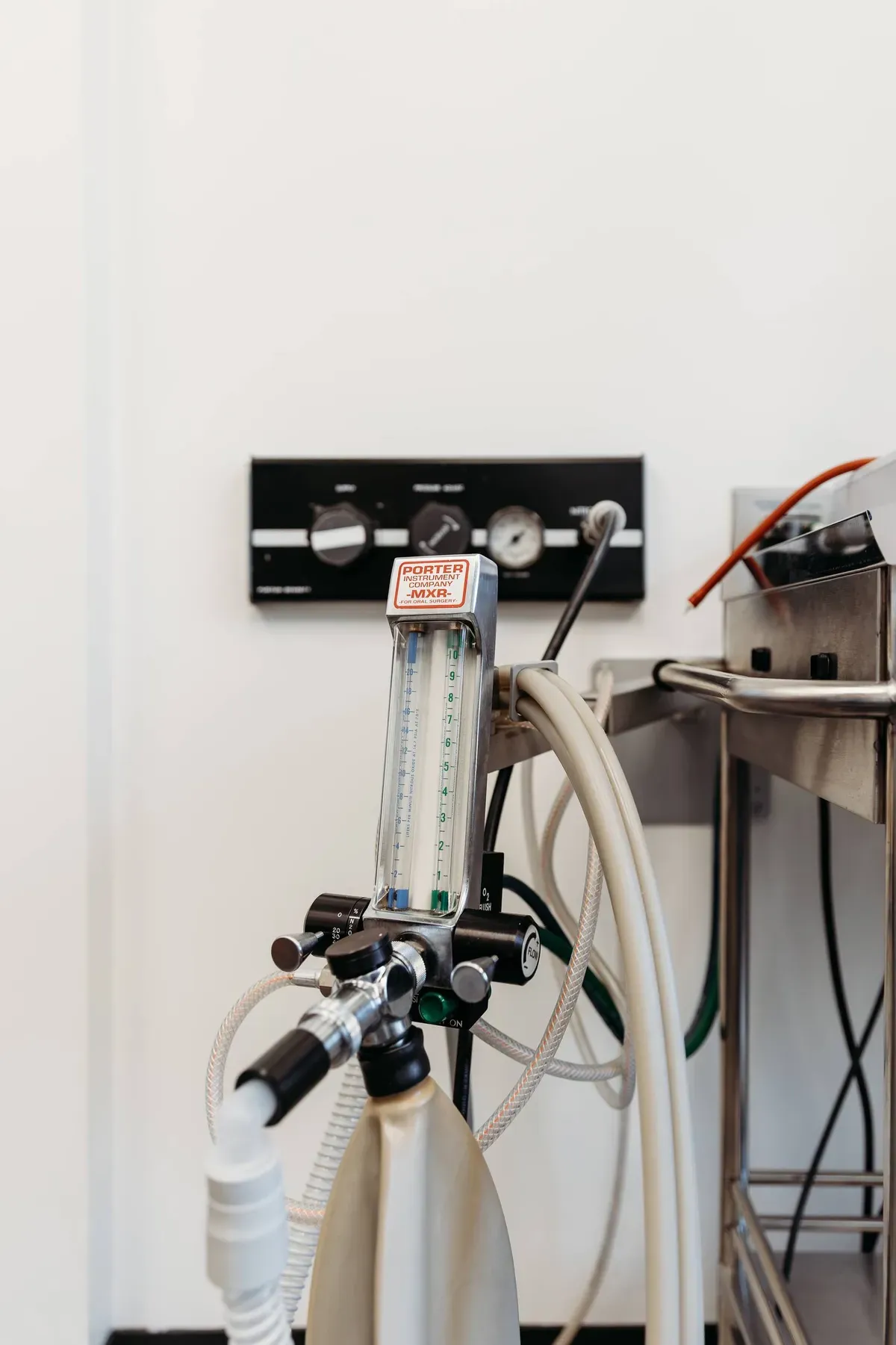
Local anesthetic is used to numb the tooth, jawbone, and gums around the area. During removal, pressure is common because the tooth is gently moved to widen the socket. If you feel pain at any point, tell the team right away.
- Local anesthetic numbs the tooth, jawbone, and gums
- Pressure is expected, but pain should not be
- Some teeth are sectioned into smaller pieces
- Replacement options are reviewed when needed
Sectioning a tooth
Some teeth are removed in smaller sections.
Sectioning is common when a tooth is firmly anchored, has curved roots, or the socket cannot expand enough for straightforward removal. The tooth is divided and removed one section at a time.
After extraction
Home care protects the healing socket.
Follow your post-operative instructions closely. Rest, protect the blood clot, avoid disturbing the socket, and call if pain, bleeding, swelling, or other symptoms feel unusual.
Your surgical team
Two surgeons,
one team.
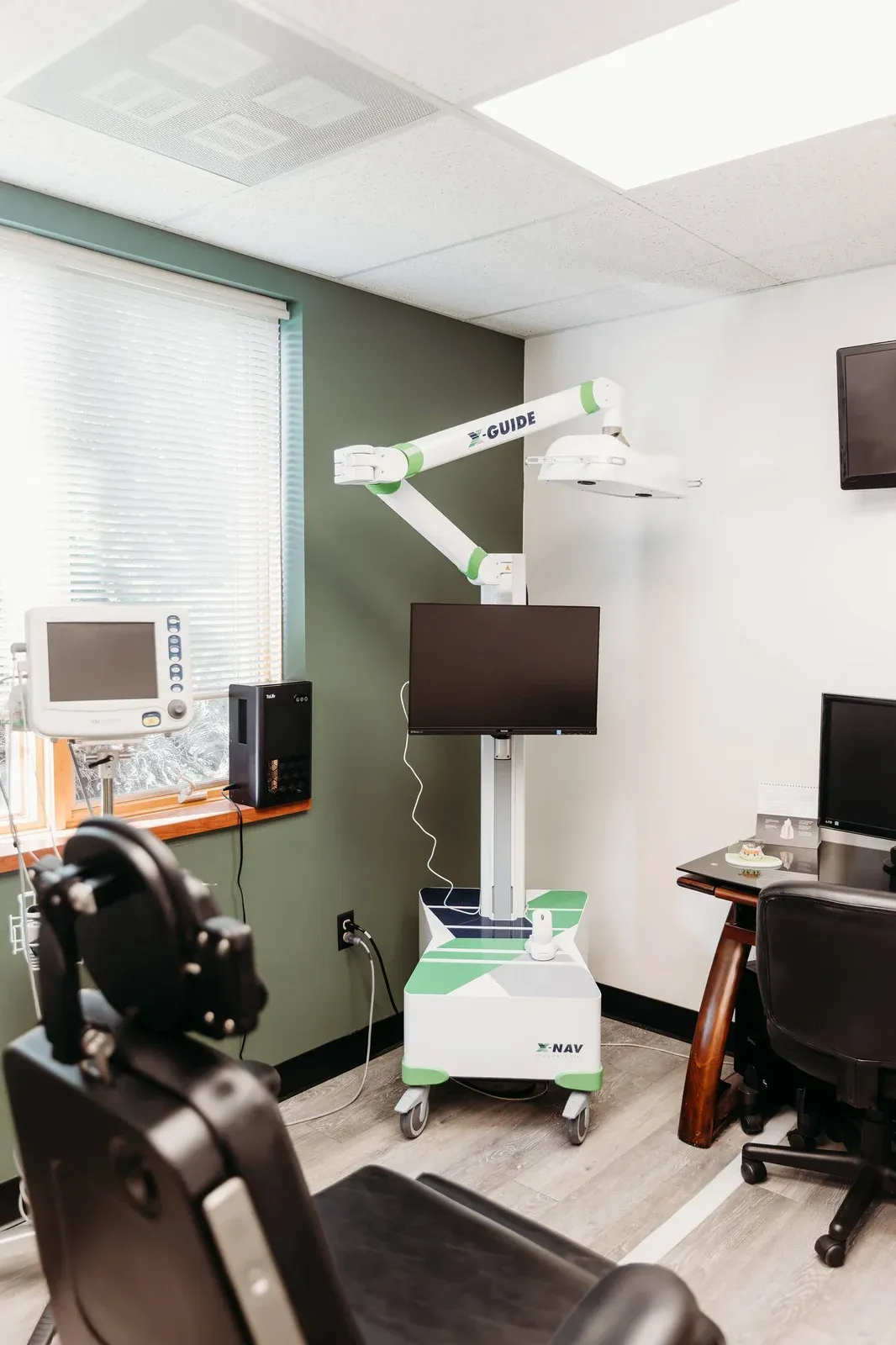
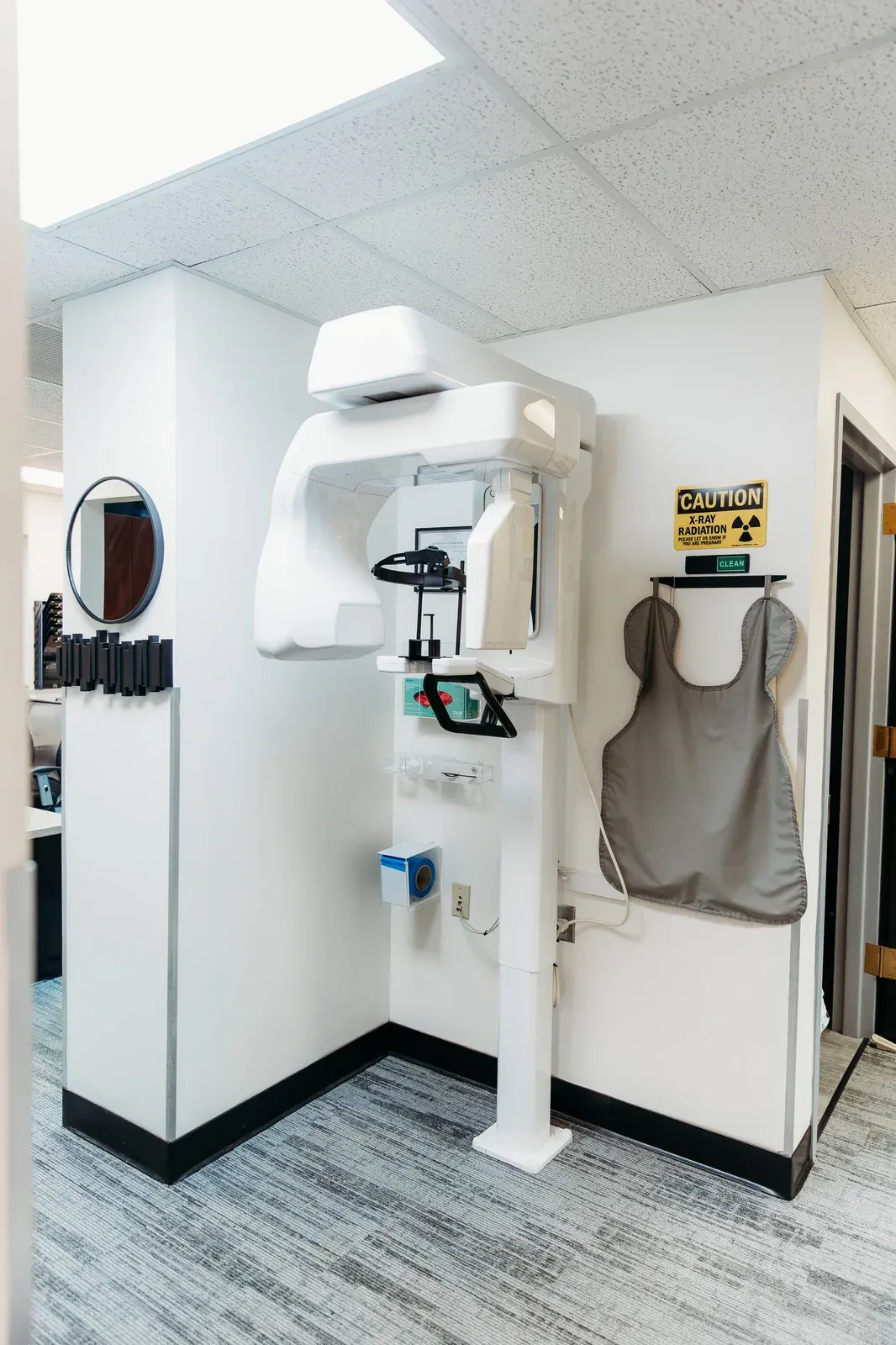
Both of our surgeons hold dental and medical degrees and plan your treatment with 3D imaging, right here in our Topeka office.


Patient questions
Questions patients
ask most.
A consultation is still the best way to get answers specific to your health and goals.
When does a tooth need to be removed?
When it is badly decayed, broken beyond repair, affected by advanced gum disease, or impacted.
Does an extraction hurt?
The area is fully numbed and sedation is available. You may feel pressure, but not pain.
How long does healing take?
The gum usually heals in one to two weeks. The bone underneath continues to heal for several months.
Should I replace the tooth?
Usually, yes. Replacing it helps protect your bite and jawbone. Socket preservation can keep options open.
Comfort and clarity
We will walk you
through the plan.
If extraction is needed, we will explain what to expect, how to care for the site, and what replacement options may make sense.