
Procedures
Ridge augmentation.
Ridge augmentation helps recreate the natural contour of the gums and jaw after tooth extraction or bone loss. It can be an important step when the jaw needs more support for a future dental implant.

Rebuilding natural contour
A ridge augmentation restores the shape
of the jaw after bone loss.
The alveolar ridge is the part of the jawbone that surrounds the roots of the teeth. When a tooth is removed, a socket is left behind in that ridge.
In many cases, the socket fills naturally with bone and tissue. In others, the bone around the socket can break down or lose its previous height and width.
Rebuilding that original contour is not always medically necessary, but it may be important for dental implant placement or for restoring a more natural appearance of the gums and jaw.
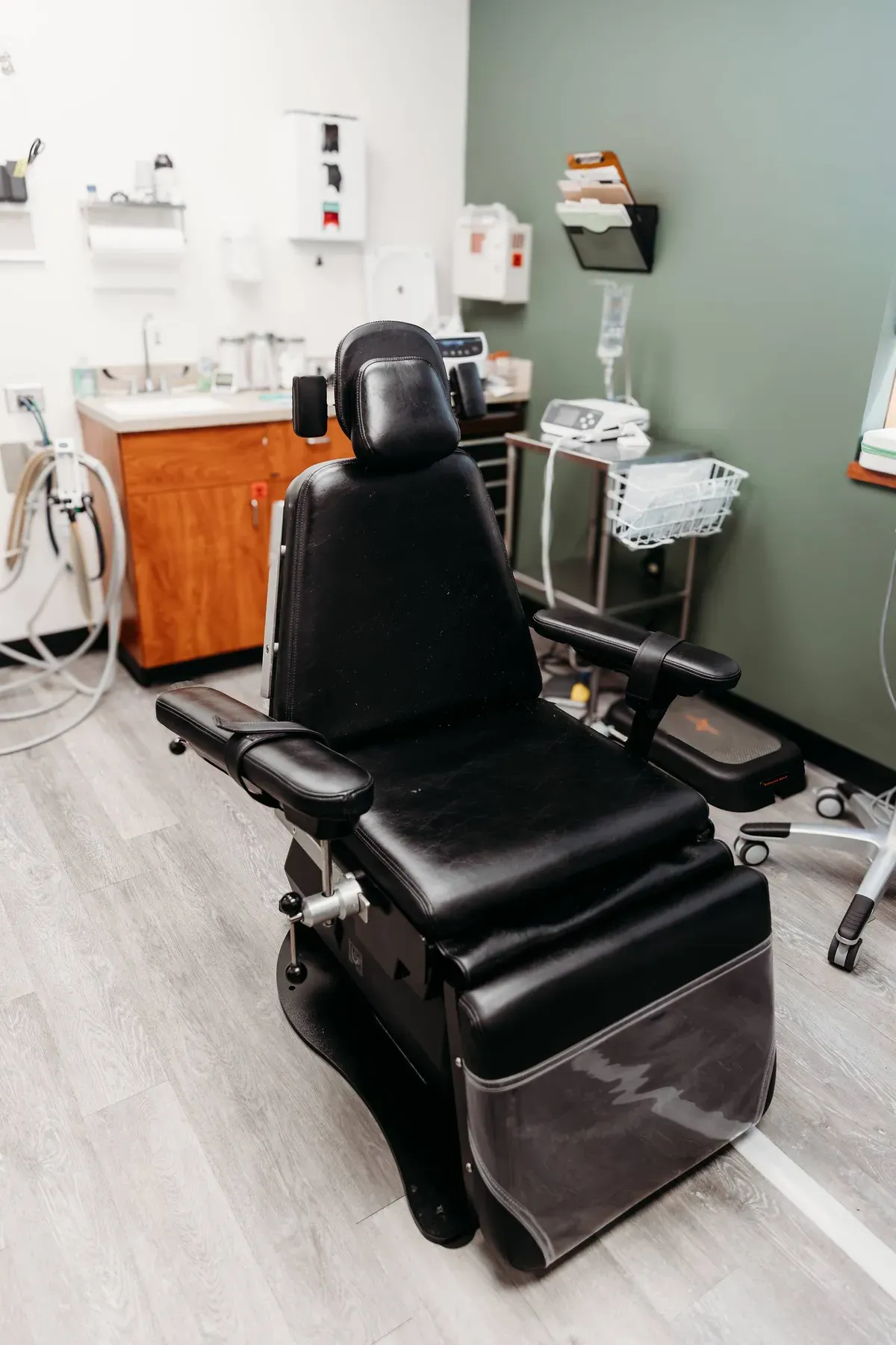
How it works
The procedure preserves or rebuilds the socket
before implant planning.
Ridge augmentation is often performed immediately after a tooth is removed, which can help avoid the need for a second grafting procedure later.
Tooth removal leaves a socket
After a tooth is removed, an empty socket remains in the alveolar ridge, the part of the jawbone that surrounds tooth roots.
Bone may not fully hold its shape
Many sockets heal on their own, but if the surrounding bone breaks down or cannot heal predictably, the height and width of the ridge may continue to deteriorate.
Graft material rebuilds support
Bone graft material can be placed in the socket to help recreate the natural contour of the jaw and gum tissue.
The ridge is prepared for implants
Once the grafted socket has healed, the alveolar ridge can be evaluated and prepared for dental implant placement when appropriate.
Bone grafting
Bone grafting
and jaw health.
-
Bone grafting
Rebuilding jawbone where it has thinned.
→ -
About bone grafting
The graft materials we use.
→ -
Socket preservation
Protecting bone when a tooth is removed.
→ -
Sinus lift
Adding bone in the upper back jaw.
→ -
Bone grafting for implants
Rebuilding bone for a solid base.
→ -
Jaw bone health
Keeping the jaw strong over time.
→
Why it helps
Better ridge shape
can make future restoration more predictable.
By supporting the socket as it heals, ridge augmentation can preserve more of the natural jaw shape and create a better foundation for future tooth replacement.
- Rebuilds ridge height and width
- Improves implant placement options
- Helps restore natural gum contour
- May reduce need for later grafting
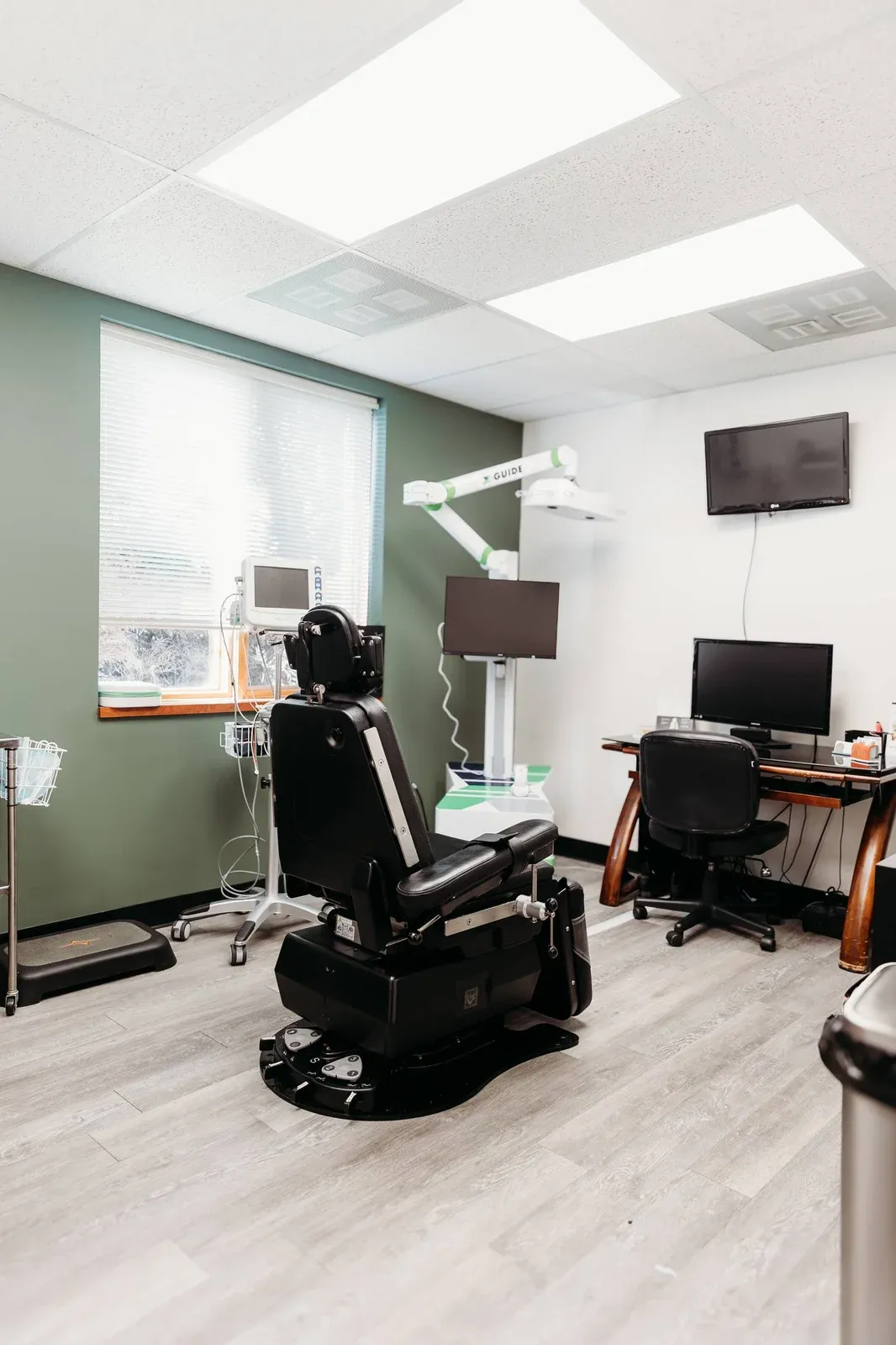
Graft placement
Bone graft material is placed in the tooth socket.
After graft material is placed, the gum tissue is positioned over the socket and secured with sutures. A space-maintaining product may be used to support new bone growth.
Comfort options
Ridge augmentation is usually completed in the office.
This procedure is typically performed with local anesthesia. Some patients may also choose sedative medication for additional comfort.
Your surgical team
Two surgeons,
one team.
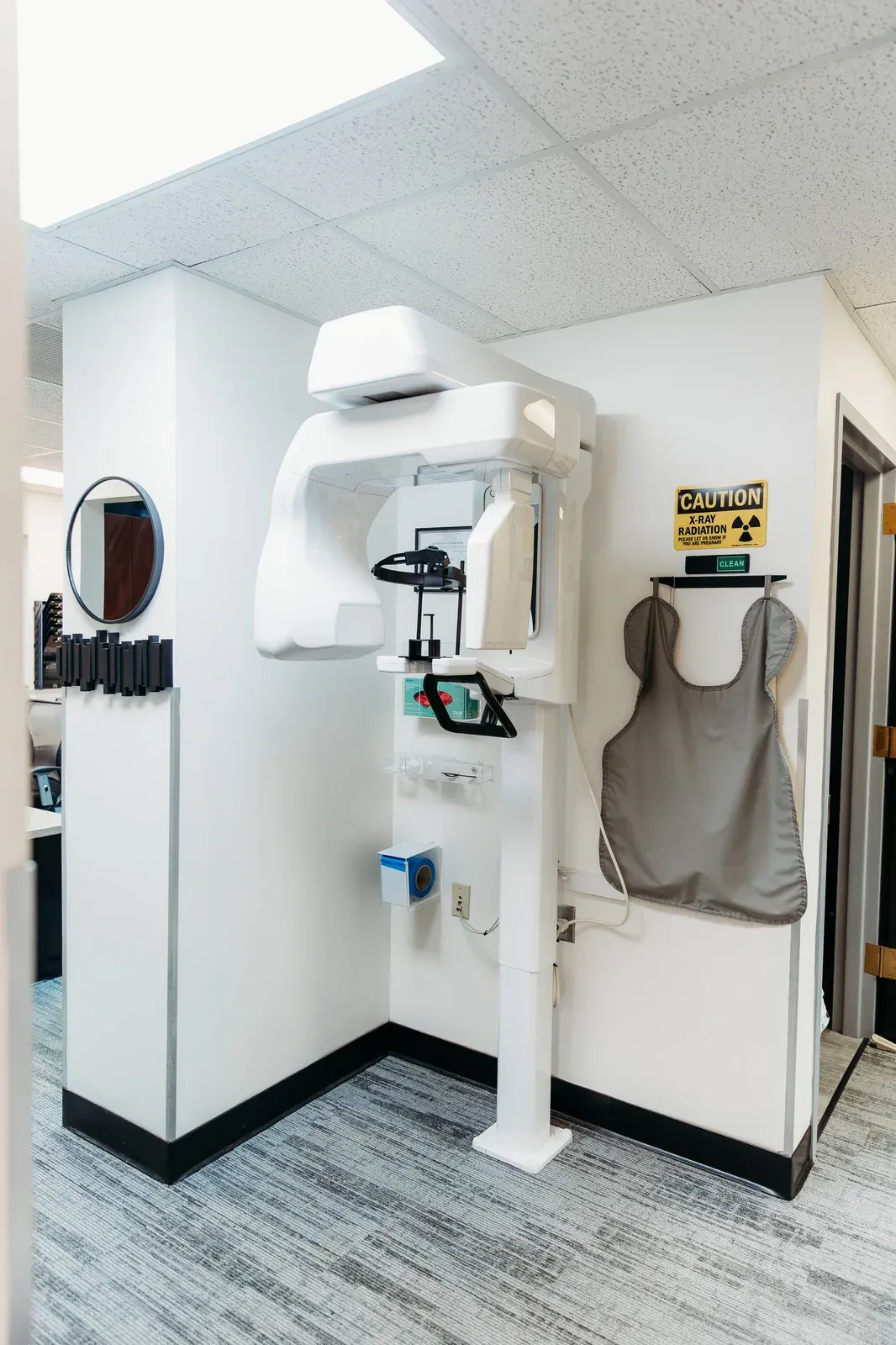
Both of our surgeons hold dental and medical degrees and plan your treatment with 3D imaging, right here in our Topeka office.


Patient questions
Questions patients
ask most.
A consultation is still the best way to get answers specific to your health and goals.
What is ridge augmentation?
A graft that rebuilds the width or height of the jaw ridge after a tooth is removed.
When is it needed?
When the ridge has shrunk too much to support an implant or a natural-looking restoration.
Is it done at the same time as the extraction?
It can be. In other cases it is done later as a separate procedure.
How long before an implant can be placed?
Usually after several months of healing, once the new bone is solid.
Preserve the ridge
Plan the socket
before bone is lost.
We can evaluate the extraction site, discuss whether grafting is needed, and help protect your options for future implant placement.