
Dental implants
Replacing missing teeth.
Missing teeth can affect your bite, speech, eating choices, jaw comfort, and long-term oral health. Our team helps you compare replacement options clearly, so you can choose care that protects your smile and your confidence.

Why replacement matters
Missing teeth affect
more than appearance.
Your teeth affect your whole body. When they are healthy, you are healthier too. A missing tooth can change your bite, speech, and food choices. As you rely more on remaining teeth, they can wear out early, become damaged, or become lost.
Tooth loss can also contribute to headaches and jaw pain. Over time, the jawbone that once supported a missing tooth begins to shrink, making future replacement more complex.
Dental implants act much like natural teeth. They help safeguard bone structure, oral health, and appearance while giving your dentist and implant surgeon flexible options for tooth replacement.
Tooth replacement options
Compare temporary, removable,
and long-lasting solutions.
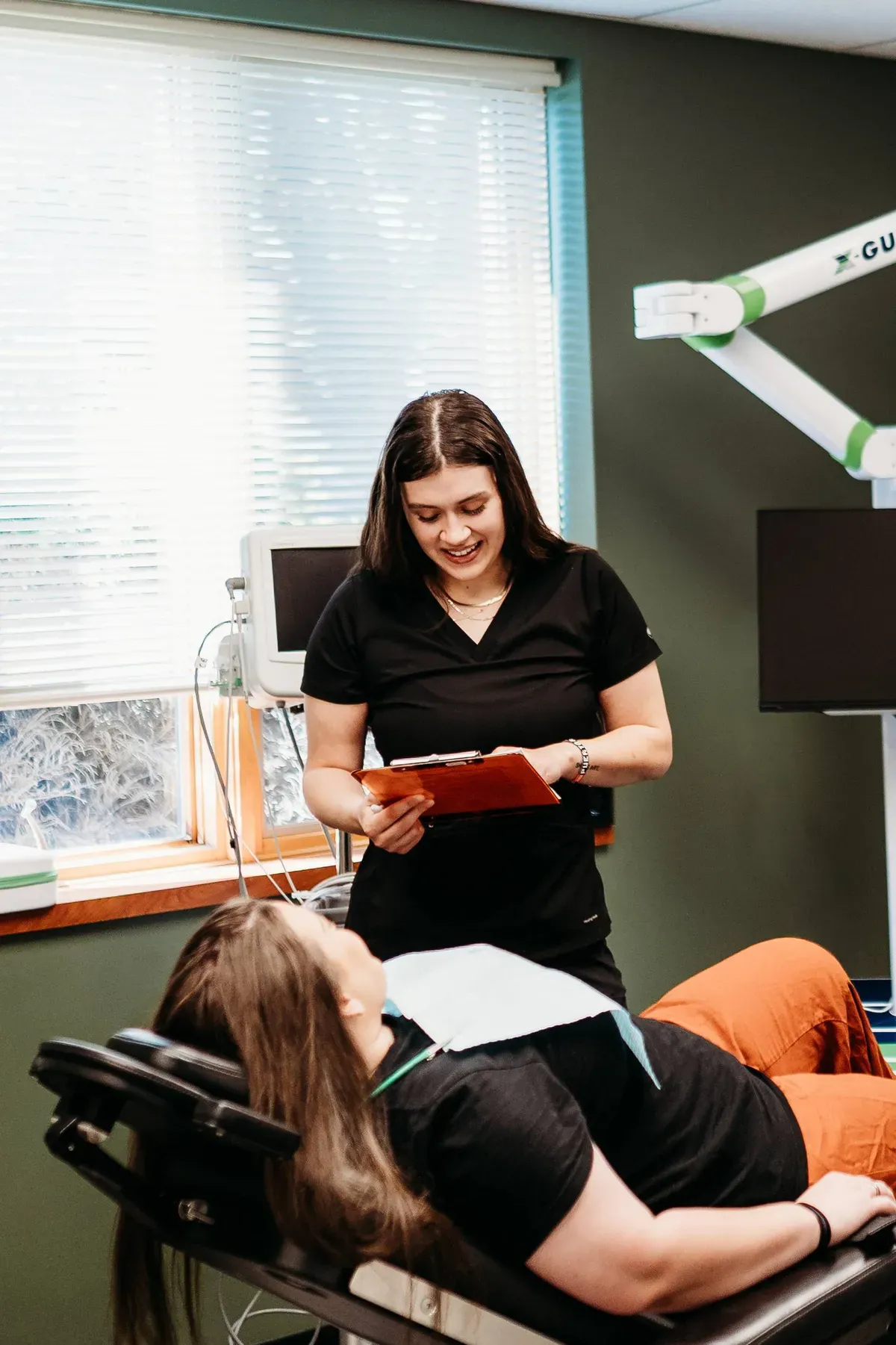
There are several ways to replace missing teeth. A good candidate may be missing one tooth, several teeth, or feel unhappy with dentures. Age is not the deciding factor; health history, smoking, diabetes, radiation therapy, and jawbone anatomy can all affect planning.
Fixed bridge
A fixed bridge is a connected set of replacement teeth. It is cemented into position using the teeth beside the empty space for support, which usually means those neighboring teeth must be reshaped before the bridge is attached.
Flipper
A flipper is a removable plastic tooth with a plastic retainer. It can be a temporary and inexpensive option, but it is more fragile than other forms of tooth replacement.
Metal partial
A removable partial denture is made with metal and plastic and held in place with wire clips. It can be removed and reinserted by the patient when needed.
Denture
Complete dentures are a common solution for people missing all teeth in one or both jaws. Some patients adapt well to dentures, while others find them uncomfortable because of jaw size and shape.
Dental implants
Dental implants are a comfortable, long-lasting solution. They form a strong foundation for replacement teeth, help keep the jaw healthy, and can support individual crowns or secure specialized dentures.
Types of dental implants
Which implant
is right for you?
-
Single tooth implant
One tooth, no reshaping of its neighbors.
→ -
Full mouth dental implants
A full arch of fixed teeth on implants.
→ -
Immediate implants
Placed when the tooth is removed.
→ -
Implant dentures
Dentures that attach to implants.
→ -
Zygomatic implants
For severe bone loss in the upper jaw.
→ -
Bone grafting for implants
Rebuilding bone for a solid base.
→
Planning ahead: After implant placement · Cost of dental implants · Dental implants FAQ
Why implants stand apart
Stable replacement
without compromising healthy teeth.
Traditional bridges may require reshaping healthy neighboring teeth, and removable dentures or partials can slip or feel inconvenient. Implants are designed to preserve the jaw, support a natural-feeling restoration, and provide lasting stability for many patients.
- Preserve jawbone health
- Protect neighboring teeth
- Support crowns or dentures
- Feel stable and comfortable
Your surgical team
Planned and placed
by our surgeons.
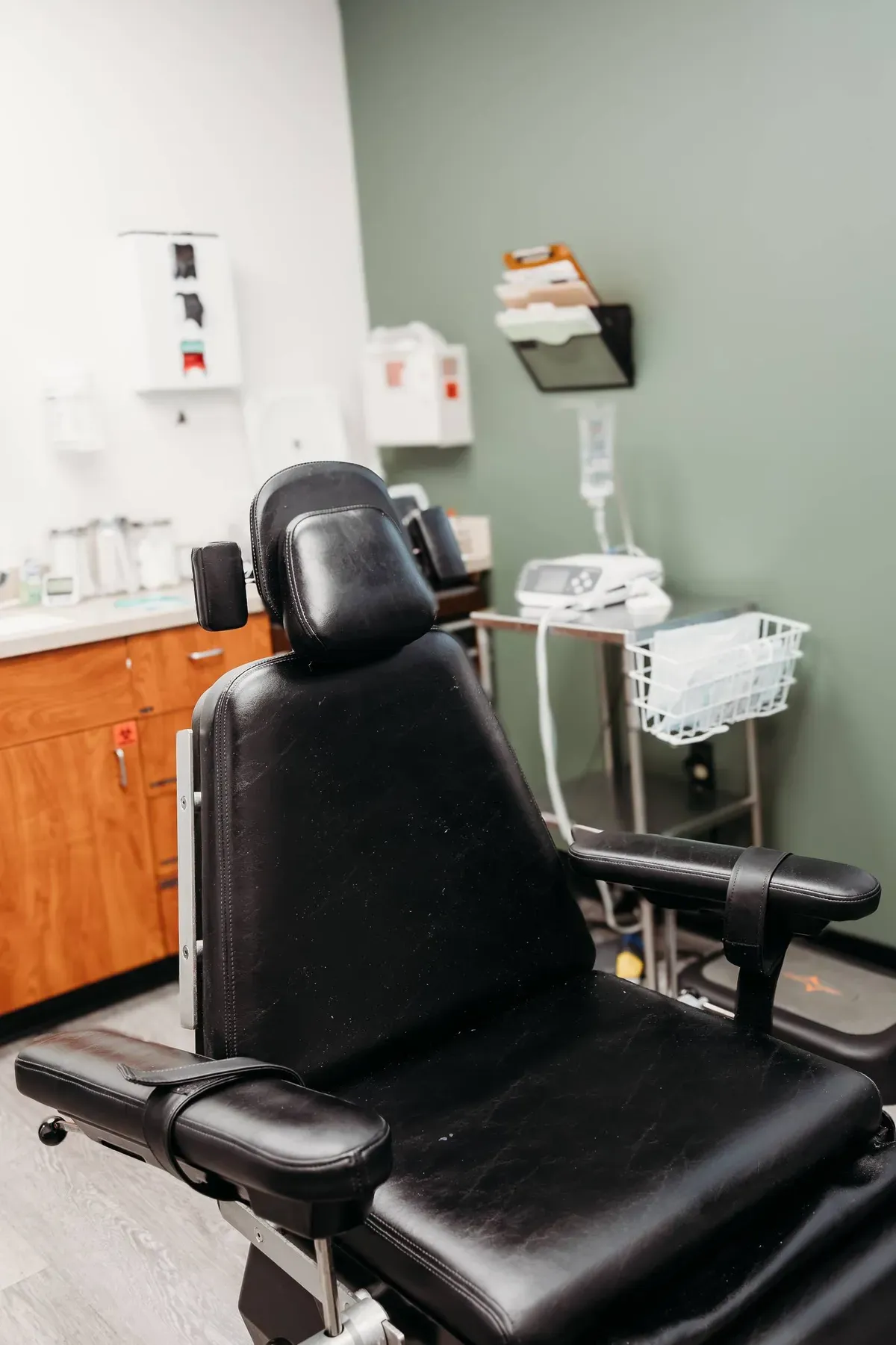
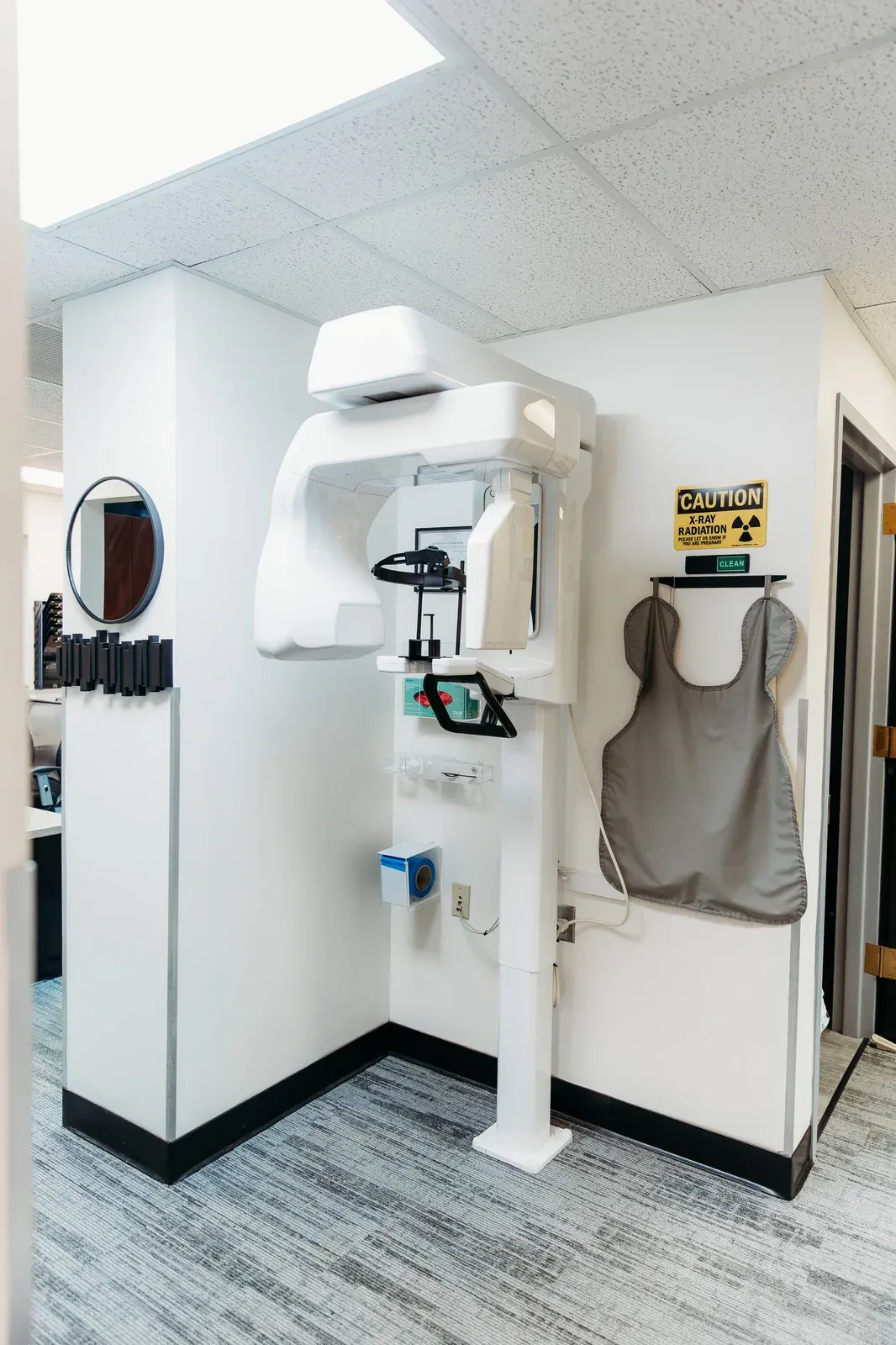
Both of our surgeons hold dental and medical degrees and plan your treatment with 3D imaging, right here in our Topeka office.


Patient questions
Questions patients
ask most.
Your jawbone health, number of missing teeth, medical history, and restorative goals all affect the recommendation. A consultation helps clarify timing, grafting needs, cost, and next steps.
All implant questions →How long do dental implants last?
Titanium implants are designed to integrate with the jawbone and can last a very long time. The visible restorations, such as crowns or fixed dentures, may eventually need repair or replacement.
Will I miss work?
Some patients return to work the next day after a single tooth implant. Patients receiving multiple implants may rest at home for two or three days before returning to normal activity.
Do dental implants hurt?
The area is numbed with local anesthetic, and sedation may be used to ease anxiety. Mild pain and swelling during the first few days are commonly managed with over-the-counter medication, ice, and head elevation.
Will I need bone grafts?
It depends on your jawbone health. If there is not enough width, height, or density to support implants, bone grafting may be recommended to strengthen and reshape the jawbone.
How long does treatment take?
Single implant surgery can take as little as 30 minutes. Multiple implants may take several hours. Typical healing before restoration is three to four months. Immediate implants may reduce the wait to six to eight weeks.
Are there downsides to dental implants?
Dental implants can be more expensive than other tooth replacement options, and insurance coverage varies. They also require healing time before the final restoration is attached.
Reclaim confidence
Start with
a consultation.
We will evaluate your needs, review imaging, and walk you through the options that make sense for your mouth, timeline, and goals.