
Procedures
About bone grafting.
Bone grafting is a way to replace or rebuild missing jawbone. It can restore the foundation needed for implants, improve oral function, and help preserve natural facial support.

Bone grafting overview
Lost jawbone can often be rebuilt
with modern grafting techniques.
Teeth help stimulate and maintain the bone around them. When teeth are missing for a long period of time, the jawbone can shrink, leaving less height, width, or quality for future tooth replacement.
Bone grafting places graft material where support is needed. Over time, the grafted area can become a stronger foundation for dental implants or other restorative planning.
The size and location of the defect determine whether the procedure is a focused site graft or a more advanced reconstruction.
Grafting materials
Different graft sources
can support different treatment needs.
Grafting material acts as a scaffold for healing. Depending on the amount of bone needed, it may come from your own body, a tissue bank, or another carefully selected grafting material.
Autogenous bone
In some cases, bone can be taken from another area of your own body and transferred to the area that needs rebuilding.
Tissue-bank bone
Processed donor bone can provide a framework for your body to gradually replace and remodel with new bone during healing.
Synthetic or specialty materials
Some grafting plans use advanced materials designed to support new bone formation and protect the shape of the grafted site.
Guided regeneration
A protective membrane may be placed beneath the gum tissue to help shield the graft and encourage bone to grow in the right space.
Bone grafting
Bone grafting
and jaw health.
-
Bone grafting
Rebuilding jawbone where it has thinned.
→ -
Socket preservation
Protecting bone when a tooth is removed.
→ -
Ridge augmentation
Restoring the jaw ridge after an extraction.
→ -
Sinus lift
Adding bone in the upper back jaw.
→ -
Bone grafting for implants
Rebuilding bone for a solid base.
→ -
Jaw bone health
Keeping the jaw strong over time.
→
Treatment goals
The goal is a healthier foundation,
not just more bone.
Bone grafting can improve the quality and quantity of bone available for restoration while helping preserve oral function and appearance.
- Restore jawbone height and width
- Improve dental implant options
- Support function and facial structure
- Repair defects from trauma or disease
Minor grafting
Many grafts focus on a specific implant site.
Smaller grafts are often used to repair an extraction site or rebuild a localized area before implant placement. Healing time varies by the amount of bone needed and the final restoration plan.
Major grafting
Larger defects require a more detailed surgical plan.
More extensive grafting may be needed after trauma, tumor surgery, or congenital defects. These procedures are planned carefully around the size of the defect and the healthiest donor or grafting source.
Your surgical team
Two surgeons,
one team.
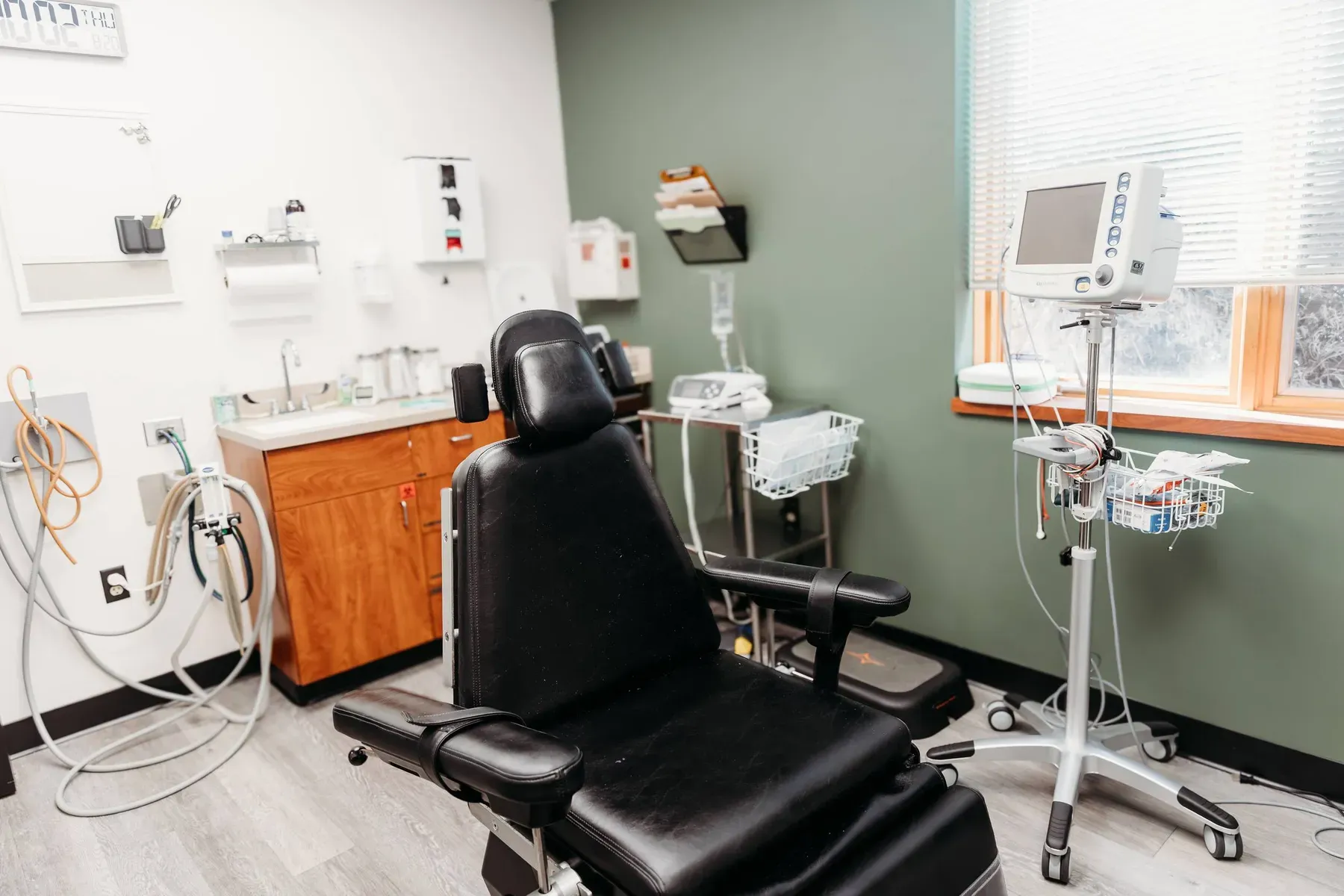
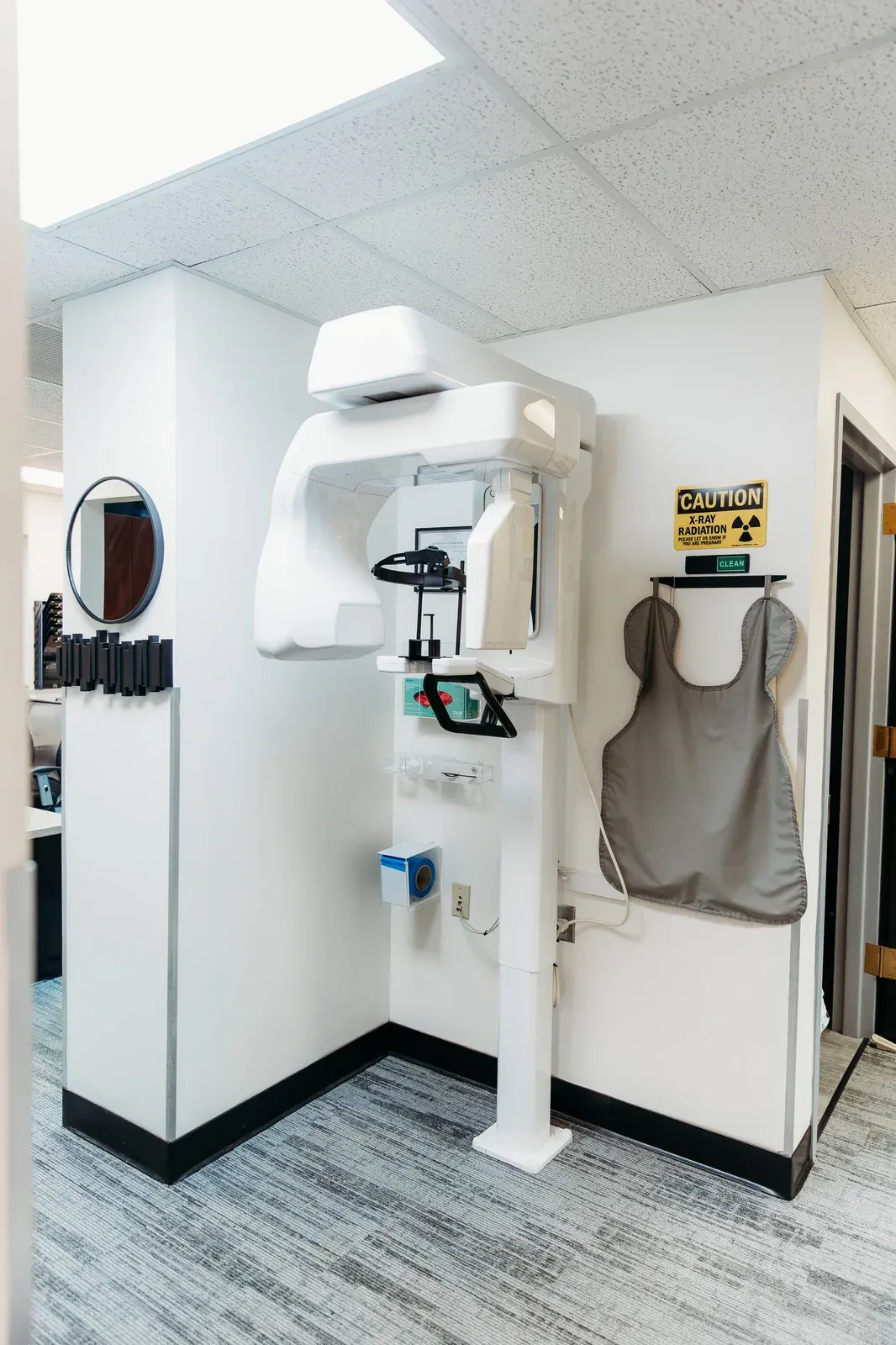
Both of our surgeons hold dental and medical degrees and plan your treatment with 3D imaging, right here in our Topeka office.


Patient questions
Questions patients
ask most.
A consultation is still the best way to get answers specific to your health and goals.
What materials are used for bone grafts?
Your own bone, tissue-bank bone, or synthetic and specialty materials. Each has advantages depending on the site.
Is tissue-bank bone safe?
Yes. It is carefully screened and processed before use.
Which material is best for me?
It depends on how much bone is needed and where. Your surgeon will recommend an option at your consultation.
What is guided regeneration?
A membrane is placed over the graft to protect it and help new bone form in the right place.
Rebuild the foundation
Find out whether grafting
is part of your plan.
Our team will review your imaging, explain the condition of your jawbone, and map out the next step with clarity.