
Procedures
Jaw bone loss and deterioration.
Jawbone can shrink when it no longer receives healthy stimulation or when disease, trauma, or other conditions damage the supporting bone. Grafting can help restore support where bone has been lost.

Reasons bone can change
Jawbone needs stimulation,
healthy gums, and stable teeth to stay strong.
Natural teeth are embedded in the jawbone and help stimulate the bone through normal chewing and biting. When that stimulation is removed, the body may begin to resorb bone in the area.
The rate and amount of bone loss varies from person to person, but a significant amount can occur during the first eighteen months after a tooth is extracted and may continue gradually over time.
Bone grafting may be recommended when deterioration limits function, denture stability, or the ability to place dental implants in a healthy position.
Common causes
Bone loss can begin after tooth loss,
infection, or changes in bite force.
Understanding the cause helps the surgeon decide whether bone grafting, implant planning, infection treatment, or another procedure is the right next step.
Tooth extractions
When an adult tooth is removed and not replaced, the alveolar bone no longer receives the stimulation it needs from chewing and biting. That bone can begin to resorb over time.
Periodontal disease
Ongoing gum infections can damage the tissues that support natural teeth, including the periodontal ligament and the bone that holds teeth in place.
Dentures or bridgework
Traditional dentures sit on top of the gums and do not directly stimulate the jawbone. Bridges also leave the bone beneath the missing tooth span without direct stimulation.
Facial trauma
A knocked-out tooth, jaw fracture, or tooth broken below the gum line can stop bone stimulation in that area and lead to deterioration if the site is not restored.
Bone grafting
Bone grafting
and jaw health.
-
Bone grafting
Rebuilding jawbone where it has thinned.
→ -
About bone grafting
The graft materials we use.
→ -
Socket preservation
Protecting bone when a tooth is removed.
→ -
Ridge augmentation
Restoring the jaw ridge after an extraction.
→ -
Sinus lift
Adding bone in the upper back jaw.
→ -
Bone grafting for implants
Rebuilding bone for a solid base.
→
Additional causes
Some causes need
more specialized evaluation.
Trauma, infection, sinus changes, tumor treatment, and developmental differences can all affect jawbone volume. Imaging helps clarify the defect and the best reconstruction plan.
- Misalignment or lack of opposing tooth contact
- Osteomyelitis or other jawbone infection
- Benign or malignant tumors
- Developmental deformities
- Sinus enlargement after upper molar loss
Denture stability
Bone loss can make removable dentures harder to wear.
As the jawbone resorbs, dentures may loosen and make eating or speaking less comfortable. Implant-supported options may help stimulate and preserve more bone in selected cases.
Sinus changes
Upper molar loss can reduce implant-ready bone height.
After upper molars are removed, the maxillary sinus can expand into the area where bone once supported teeth. A sinus lift may be recommended to rebuild height for implant placement.
Your surgical team
Two surgeons,
one team.
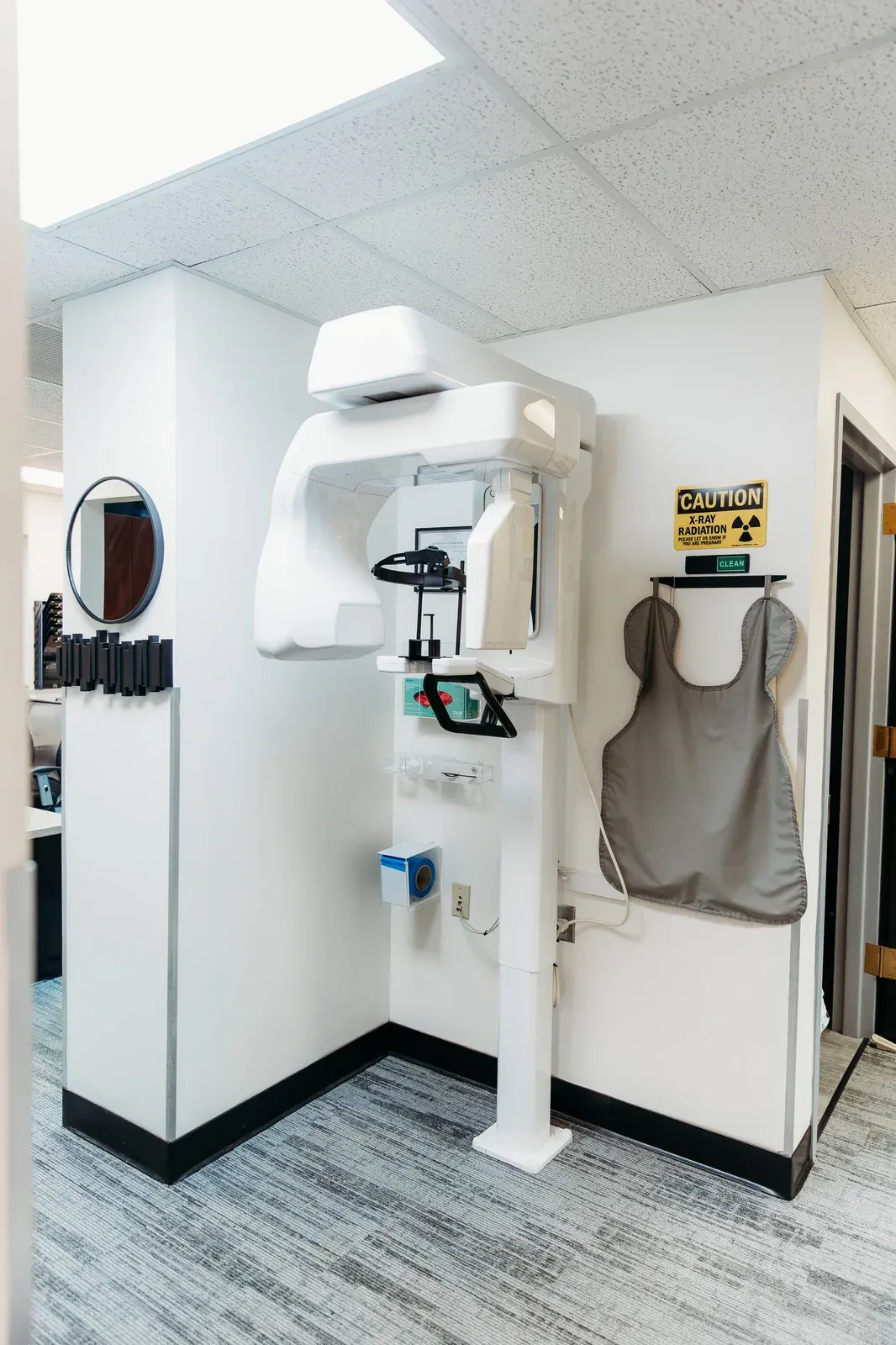
Both of our surgeons hold dental and medical degrees and plan your treatment with 3D imaging, right here in our Topeka office.


Patient questions
Questions patients
ask most.
A consultation is still the best way to get answers specific to your health and goals.
What causes jawbone loss?
Tooth loss, gum disease, long-term denture or bridge wear, and facial injury are the most common causes.
How do I know if I have bone loss?
A 3D scan shows bone height and width precisely. Loose dentures or a sunken look can also be signs.
Can bone loss be treated?
Yes. Bone grafting, ridge augmentation, or a sinus lift can rebuild bone in many cases.
Can bone loss be prevented?
Replacing teeth promptly and treating gum disease early help protect the bone.
Restore support
Talk with us about
bone grafting options.
We will evaluate the cause and amount of bone loss, then explain whether grafting, implants, or another approach fits your goals.