
Dental implants
Full mouth dental implants.
When most or all teeth are missing, dental implants can support a more stable, comfortable replacement than traditional dentures alone. Our team helps you compare removable and fixed full-arch options with clarity.

Full-arch replacement
If dentures are not enough,
implants can create a stronger foundation.
Many patients can wear an upper denture comfortably, but lower dentures can be more difficult to keep stable while eating and speaking. Implant-supported options are available when all lower teeth are missing.
Full mouth implant treatment is not one single solution. The right plan depends on your jaw size and shape, the amount of available bone, whether you prefer a removable or fixed restoration, and how much maintenance you are comfortable managing.
Your consultation is the place to compare these choices carefully, review imaging, and understand which option can give you the best blend of stability, cleanability, comfort, and long-term support.
Lower jaw options
Four ways implants
can support missing lower teeth.
The lower jaw often benefits greatly from implant support. These options range from improved denture stability to permanent teeth that stay in place except during maintenance care.
Ball attachment denture
Two implants are placed in the lower jaw, and a denture is made to snap onto them. This can improve stability while chewing, though the denture can still move and may need periodic adjustments.
Bar attachment denture
Four to six implants are placed, then connected with a custom support bar after healing. The denture snaps firmly onto the bar, allowing very little movement while still being removable for cleaning.
Screw-retained denture
Five or more implants support a permanent denture that is secured to posts or a bar. It does not touch the gum tissue and is removed only during maintenance visits.
Individual implants
All missing teeth can be replaced individually so they most closely resemble natural teeth. This usually requires eight or more implants and may depend on jawbone size and shape.
Dental implants
More on
dental implants.
-
Single tooth implant
One tooth, no reshaping of its neighbors.
→ -
Immediate implants
Placed when the tooth is removed.
→ -
Implant dentures
Dentures that attach to implants.
→ -
Zygomatic implants
For severe bone loss in the upper jaw.
→ -
Bone grafting for implants
Rebuilding bone for a solid base.
→ -
Replacing missing teeth
Compare every way to replace a tooth.
→
Upper jaw options
Upper implants
may need a different support plan.
A similar range of treatment choices is available for missing upper teeth. Because upper jaw bone is often softer than lower jaw bone, more implants may be needed to support a new restoration.
- Implant-retained upper denture
- Individual upper implants
- Palate-free denture design when possible
- More implants may be needed for upper-jaw support
Implant-retained upper denture
More natural taste and comfort may be possible.
Depending on the number of implants placed, it may be possible to avoid covering the roof of your mouth with a complete denture. This can help with taste, temperature awareness, and a more natural feel.
Individual upper implants
Fixed teeth can closely resemble natural teeth.
Patients who want a non-removable restoration similar to natural teeth may need eight to ten individual implants, followed by abutments and new replacement crowns after healing.
Your surgical team
Two surgeons,
one team.
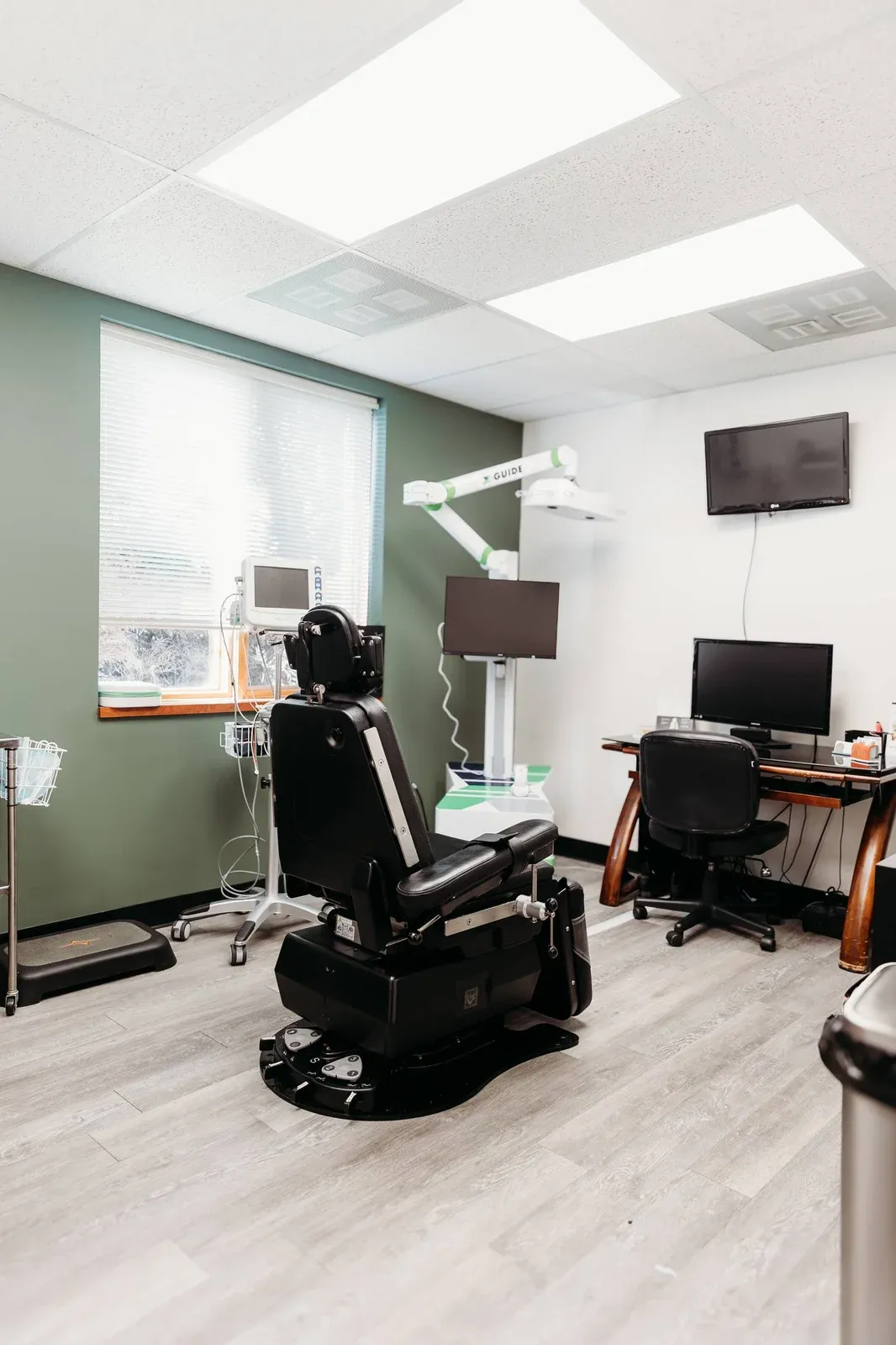
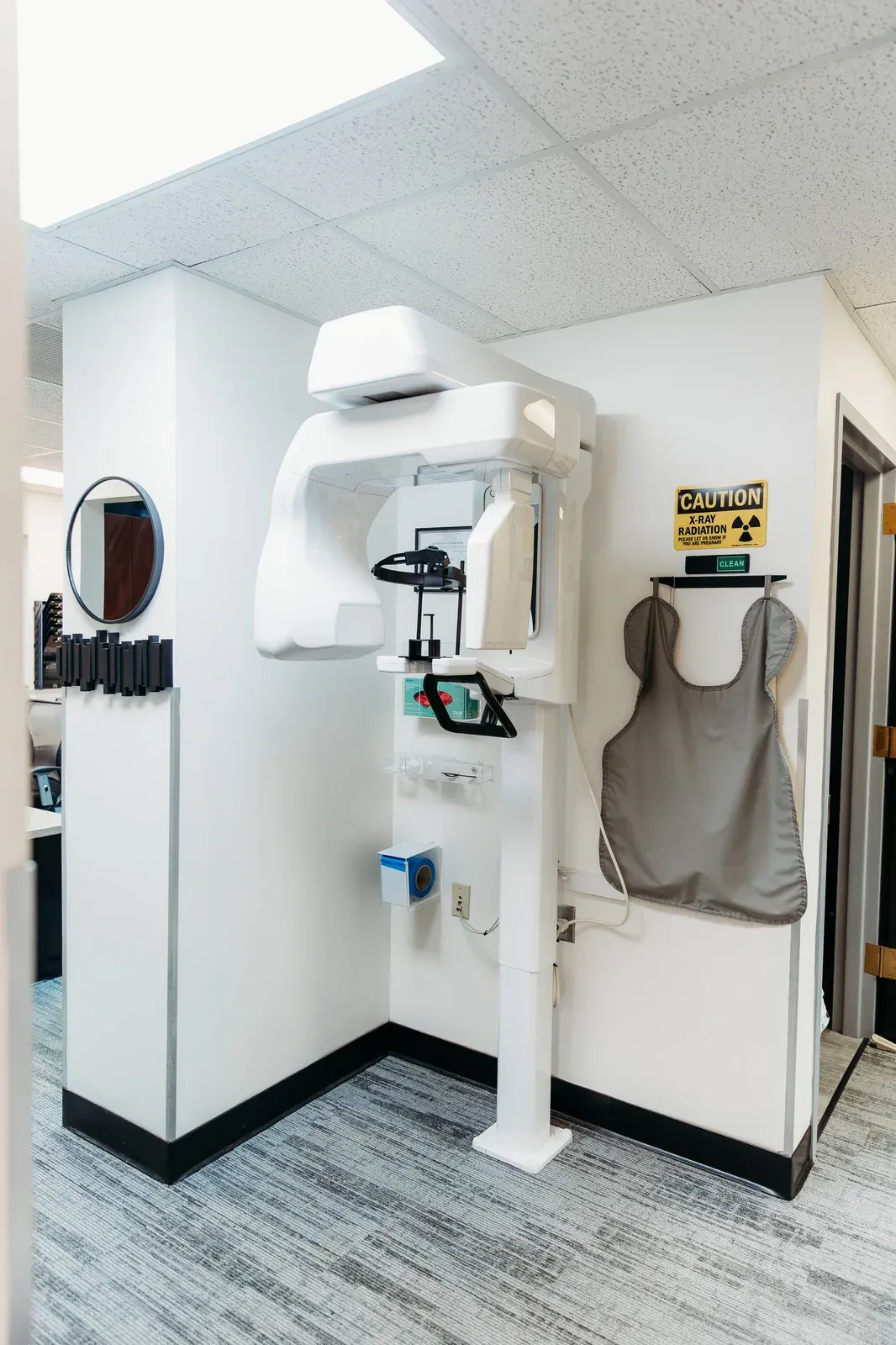
Both of our surgeons hold dental and medical degrees and plan your treatment with 3D imaging, right here in our Topeka office.


Patient questions
Questions patients
ask most.
A consultation is still the best way to get answers specific to your health and goals.
All implant questions →How many implants do I need for a full arch?
It depends on your jawbone and the type of restoration. Many full-arch options use four to six implants per jaw.
Can I replace my dentures with implants?
Often, yes. Implants can secure your teeth so they no longer slip, and your surgeon will check whether your bone can support them.
Do I need bone grafting first?
Some patients do. A 3D scan shows whether there is enough bone, and grafting can rebuild it when needed.
How long does treatment take?
Surgery is usually done in one visit, then the bone heals for several months before the final teeth are completed.
Reclaim confidence
Find the right
full-mouth plan.
We will evaluate your jaw, review your goals, and help you understand which full mouth implant solution fits your anatomy, lifestyle, and long-term care needs.