
Procedures
TMJ disorders.
TMJ disorders affect the jaw joints and chewing muscles. Pain, clicking, locking, bite changes, or trouble opening can often be improved with a thoughtful mix of self-care and professional treatment.

Jaw joint health
TMJ problems happen when the joints
and chewing muscles stop working together comfortably.
TMJ stands for temporomandibular joint, the right and left joints that connect the jaw to the skull. When these joints, muscles, ligaments, or cartilage disks are strained, symptoms can show up as pain, clicking, grating, or limited opening.
TMJ disorders can develop from clenching or grinding, injury, arthritis, joint disease, bite changes, or a disk that slips out of position.
Early evaluation matters because some TMJ problems can become more serious over time. Treatment is usually gradual and works best when self-care and professional care are combined.
Do you have a TMJ disorder?
Jaw pain, clicking, stiffness,
and bite changes are useful clues.
The more symptoms you recognize, the more helpful it may be to have the joint, bite, and chewing muscles evaluated.
Pain or stiffness
Sore jaw muscles, frequent headaches, neck aches, or pain that worsens with clenching can be signs of TMJ strain.
Clicking or locking
The jaw may click, pop, grate, catch, or lock when opening, closing, eating, or yawning.
Clenching or grinding
Grinding and clenching can tighten the jaw muscles, stress the joints, and contribute to worn, sensitive, loose, or broken teeth.
Bite changes
Teeth may meet differently over time, or it may become harder to bite or tear food with the front teeth.
Oral surgery
Other procedures
we perform.
-
Tooth extractions
Gentle removal when a tooth cannot be saved.
→ -
Wisdom teeth removal
When and why to remove them.
→ -
Pre-prosthetic surgery
Preparing the mouth for dentures.
→ -
Oral pathology
Diagnosis of sores, patches and lumps.
→ -
Replacing missing teeth
Compare every way to replace a tooth.
→ -
Bone grafting
Rebuilding jawbone where it has thinned.
→
Self-care and support
Simple habits can reduce strain
while treatment takes effect.
Treatment may include medication, anti-inflammatory support, injections, physical therapy, stress management, or an appliance depending on the diagnosis.
- Rest your jaw
- Keep teeth apart when not eating or swallowing
- Choose soft foods
- Use ice and heat as directed
- Practice jaw exercises and good posture
Splints and night guards
Appliances can relax muscles and protect the joint.
A clear plastic splint or night guard fits over the teeth to help keep them apart, reduce clenching or grinding, protect tooth wear, and lower muscle tension.
Bite correction or surgery
More involved care is reserved for specific cases.
If TMJ problems affect how teeth fit together, bite adjustment, orthodontics, restorative work, or jaw reconstruction may be discussed. Surgery is usually reserved for severe cases that do not respond to appliance therapy or involve significant joint problems.
Your surgical team
Two surgeons,
one team.
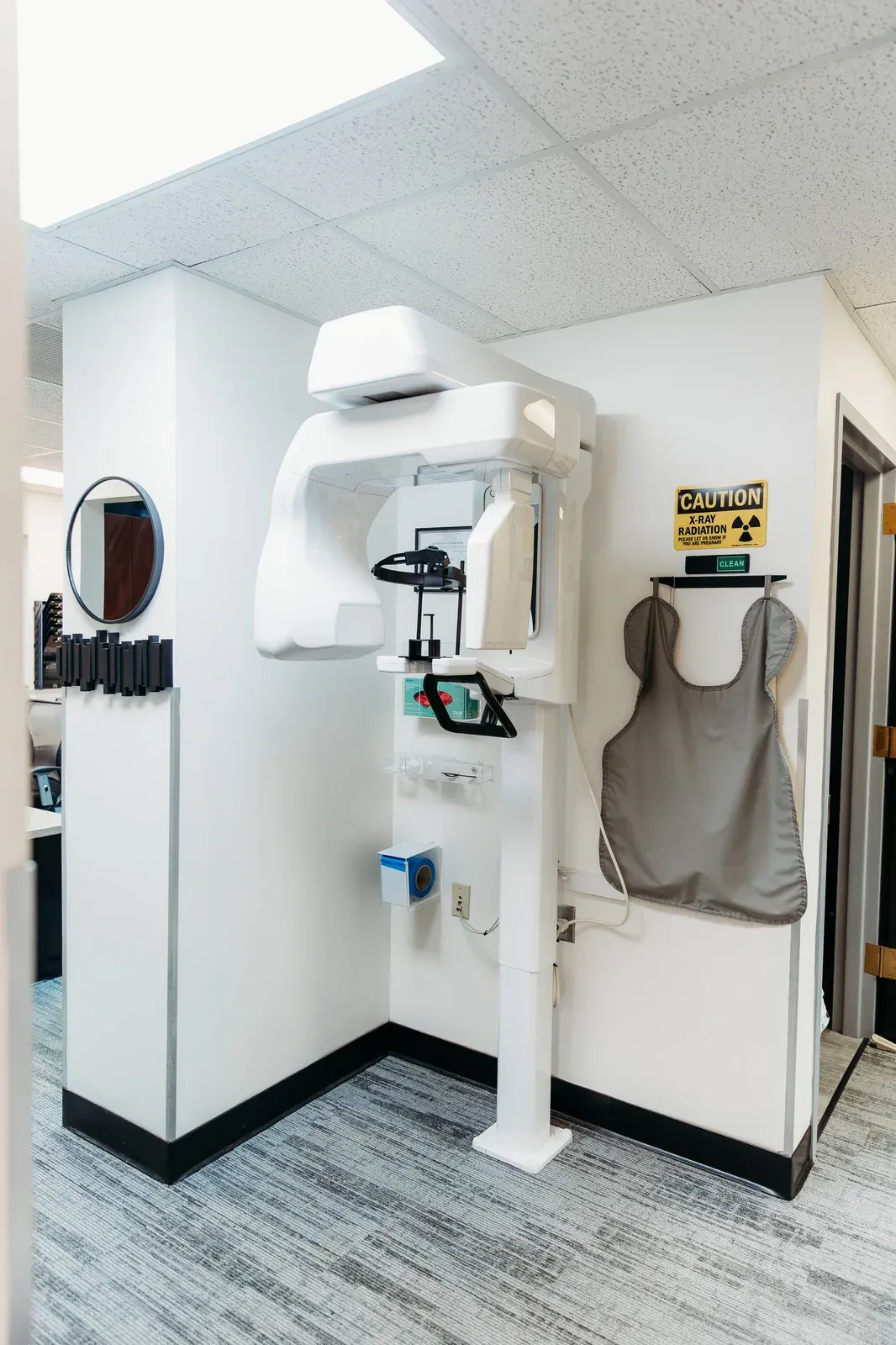
Both of our surgeons hold dental and medical degrees and plan your treatment with 3D imaging, right here in our Topeka office.


Patient questions
Questions patients
ask most.
A consultation is still the best way to get answers specific to your health and goals.
What are the signs of a TMJ problem?
Jaw pain or stiffness, clicking or locking, headaches, and changes in how your teeth fit together.
What causes TMJ disorders?
Clenching or grinding, injury, arthritis, or bite problems can all contribute.
Does TMJ always need surgery?
No. Many patients improve with conservative care. Surgery is considered only when other treatment has not helped.
When should I see an oral surgeon?
If jaw pain, locking, or limited opening is affecting daily life or not improving.
Healthier jaw function
Start
with a TMJ evaluation.
We will listen to your symptoms, evaluate your jaw function, and explain which treatment options may help you feel more comfortable.