
Procedures
Anesthesia.
Our oral surgeons are trained in multiple anesthesia methods for wisdom teeth removal, tooth extractions, dental implants, and other oral surgery procedures. The right option depends on your treatment and comfort level.
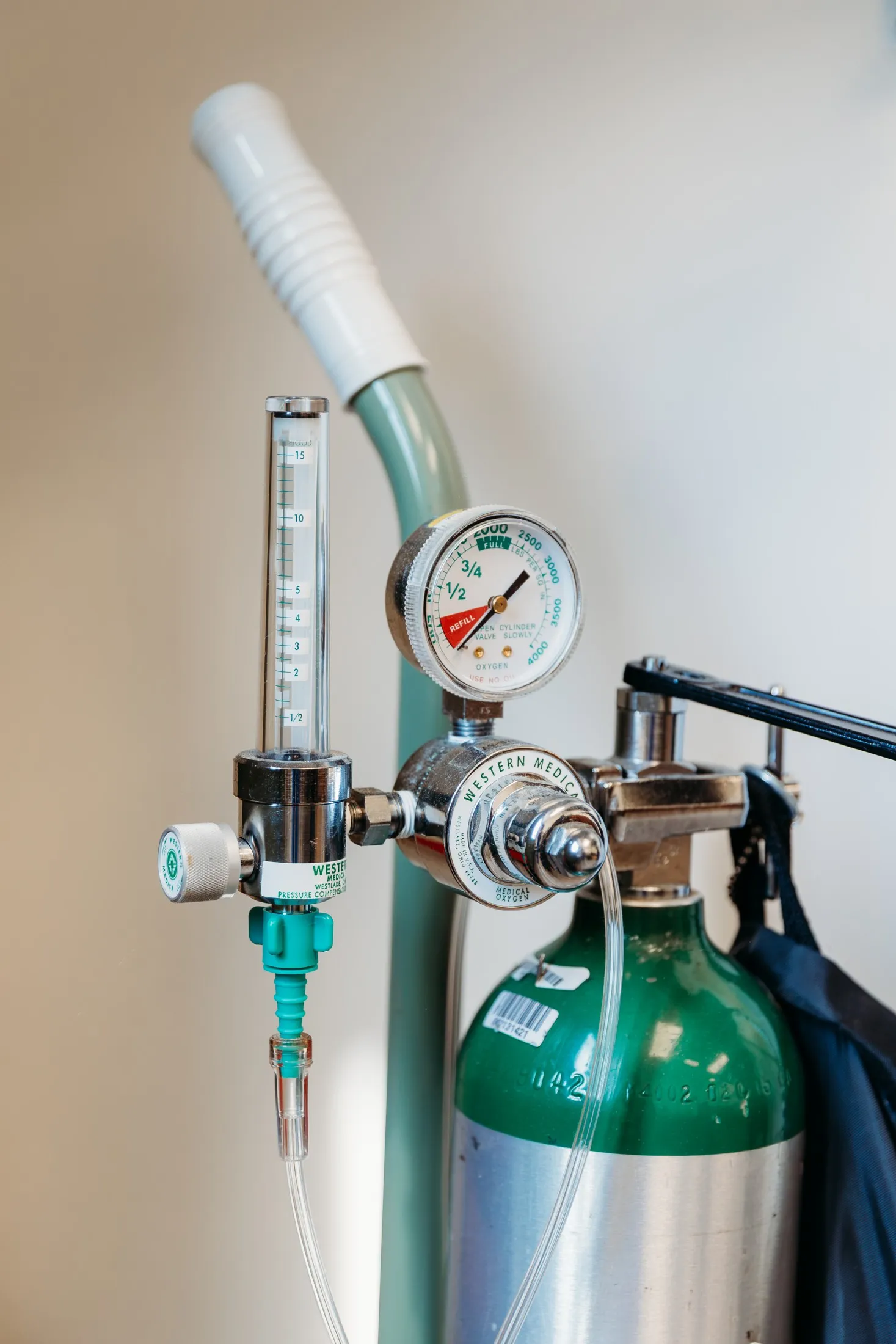
Safety and comfort
Anesthesia is chosen around the procedure,
your health, and your anxiety level.
Anesthesia helps oral surgery feel safer and more comfortable. Some patients need only local anesthetic, while others benefit from nitrous oxide, IV sedation, office-based general anesthesia, or a hospital setting.
The method chosen depends on the nature of the procedure, the level of apprehension, and any medical factors that may affect the safest way to provide care.
If you have concerns about the anesthesia planned for your procedure, your consultation is the right time to talk through those questions with the doctor.
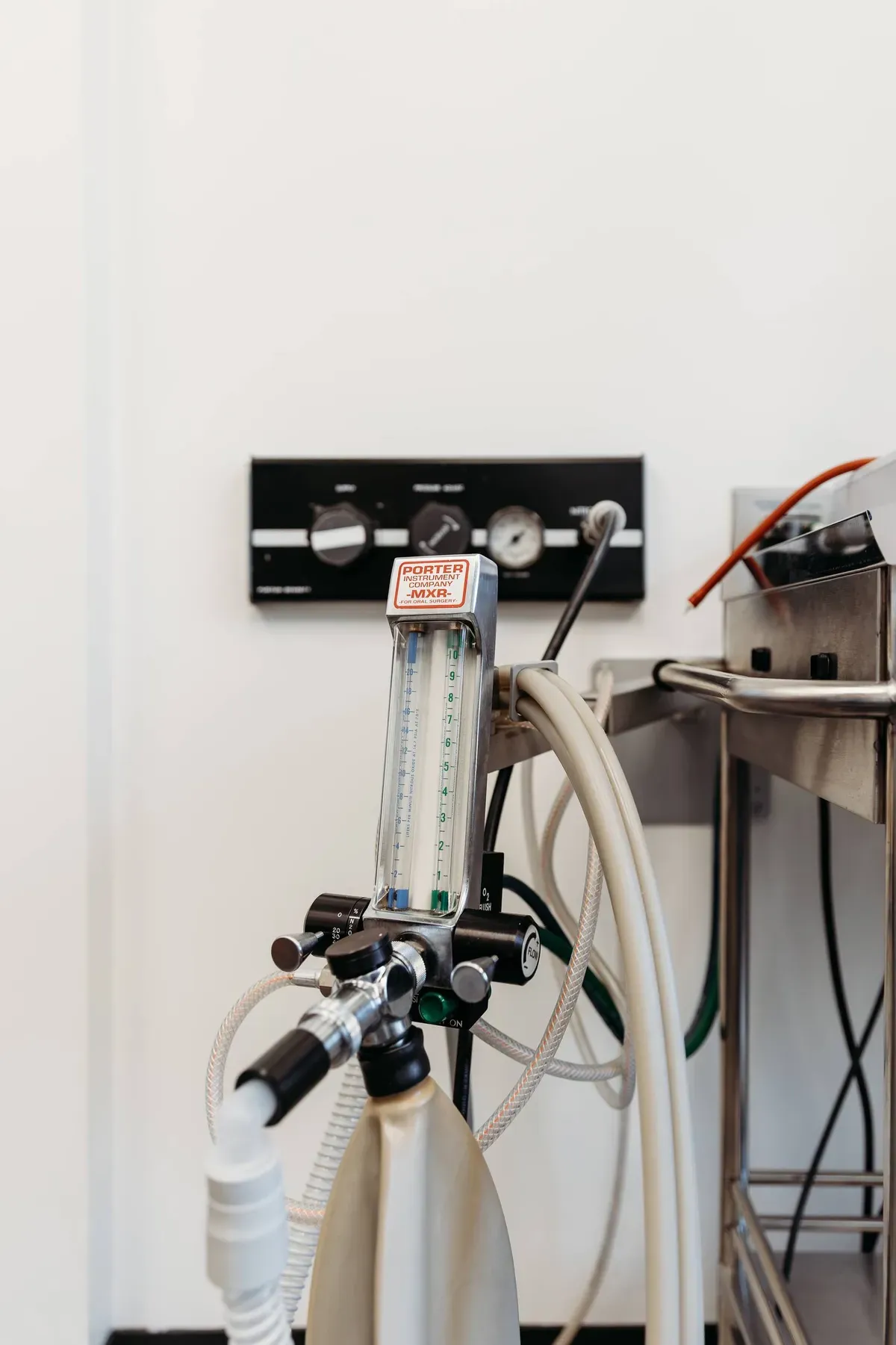
Anesthesia options
Different levels of anesthesia support
different oral surgery needs.
Many procedures use local anesthetic as the foundation, with additional sedation options added when comfort, anxiety, or procedure complexity call for it.
Local anesthetic
The patient remains fully conscious while the treatment area is numbed. Local anesthetic is used in oral surgery procedures and may be combined with other anesthesia options.
Nitrous oxide with local anesthetic
A mixture of nitrous oxide and oxygen is delivered through a nasal breathing mask. Patients remain conscious, relaxed, and in control.
Office-based IV or general anesthesia
Medication is given through an IV so the patient is deeply relaxed or asleep and unaware of the procedure while vital signs are closely monitored.
Hospital or surgery center anesthesia
For extensive procedures or certain medical conditions, anesthesia may be administered by an anesthesiologist in a hospital or surgery center setting.
Comfort and technology
Comfort and
technology.
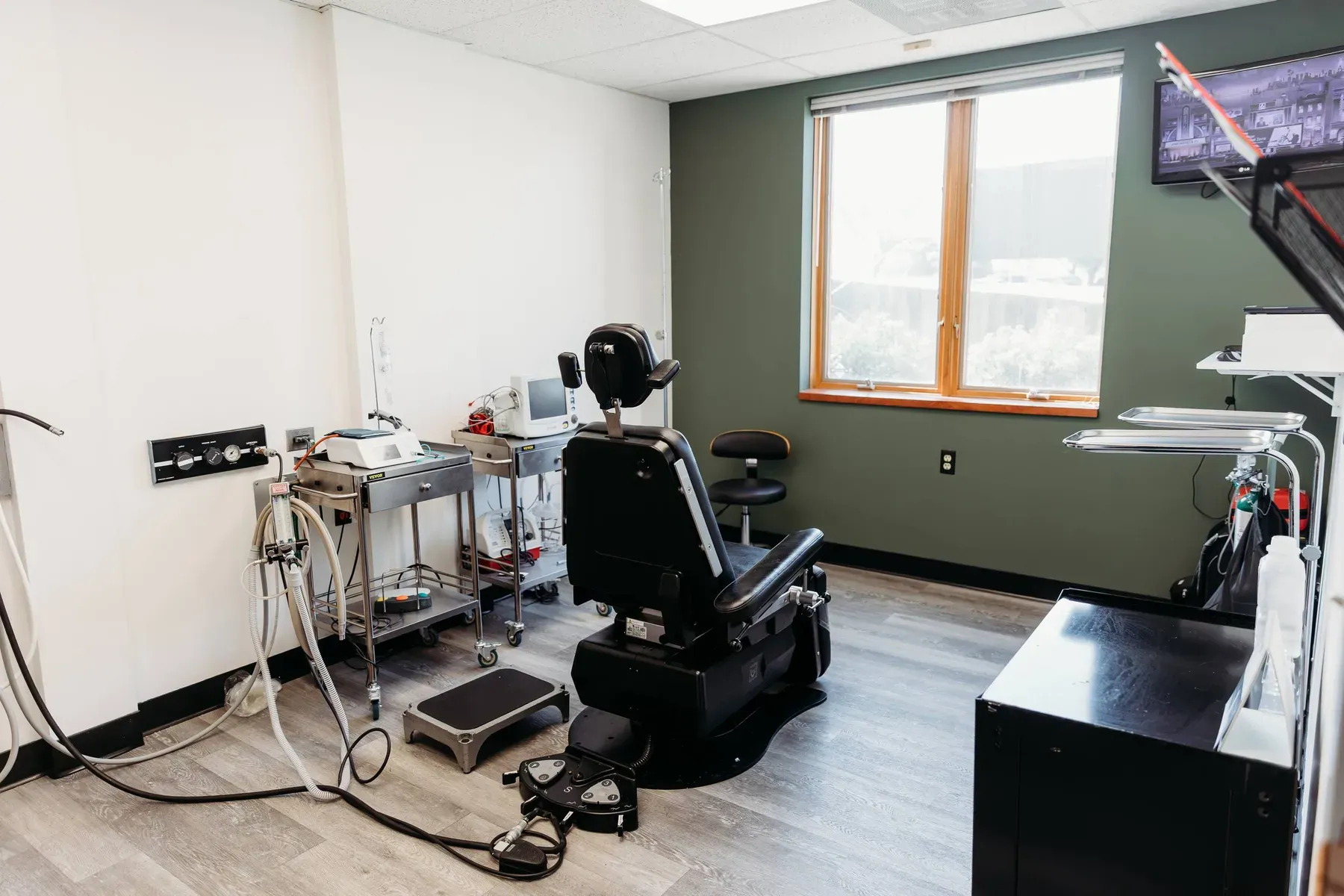
Choosing the method
The safest option is personalized
to the patient and procedure.
General anesthesia may be chosen for implant placement, wisdom teeth removal, or anxiety, and may be necessary when infection makes local anesthesia less predictable.
- Type and length of procedure
- Patient anxiety or apprehension
- Medical history and medications
- Presence of infection
- Need for extensive reconstruction
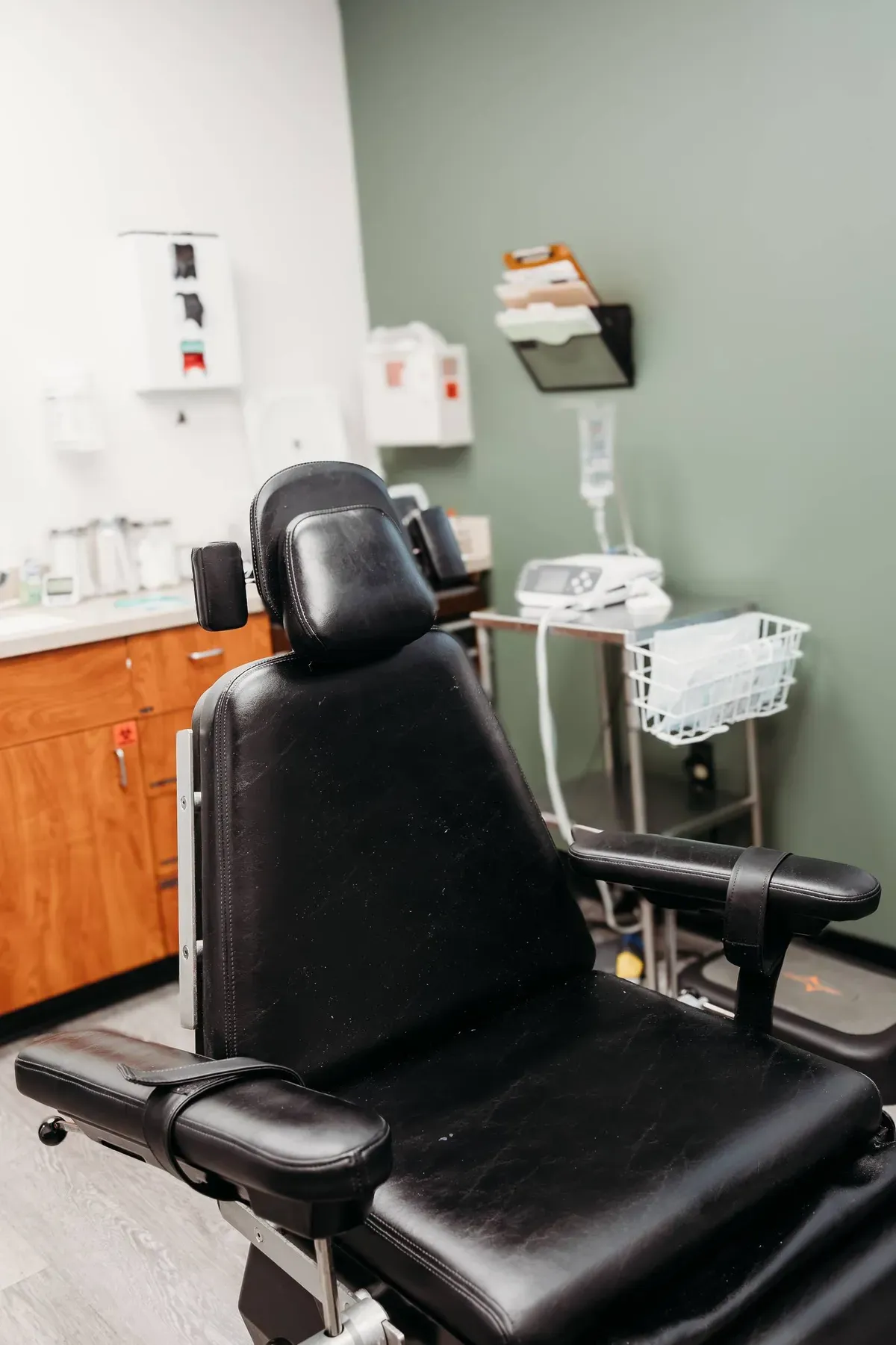
IV sedation
Twilight sedation helps you feel calm and relaxed.
IV sedation is administered through a small needle in the arm or hand. Patients are very relaxed and may drift in and out of sleep, with little memory of the procedure.
Monitoring and training
Office anesthesia requires licensing and emergency readiness.
Oral surgeons complete hospital-based anesthesia training and must meet state requirements for monitoring equipment, emergency preparedness, and continuing education.
Your surgical team
Two surgeons,
one team.
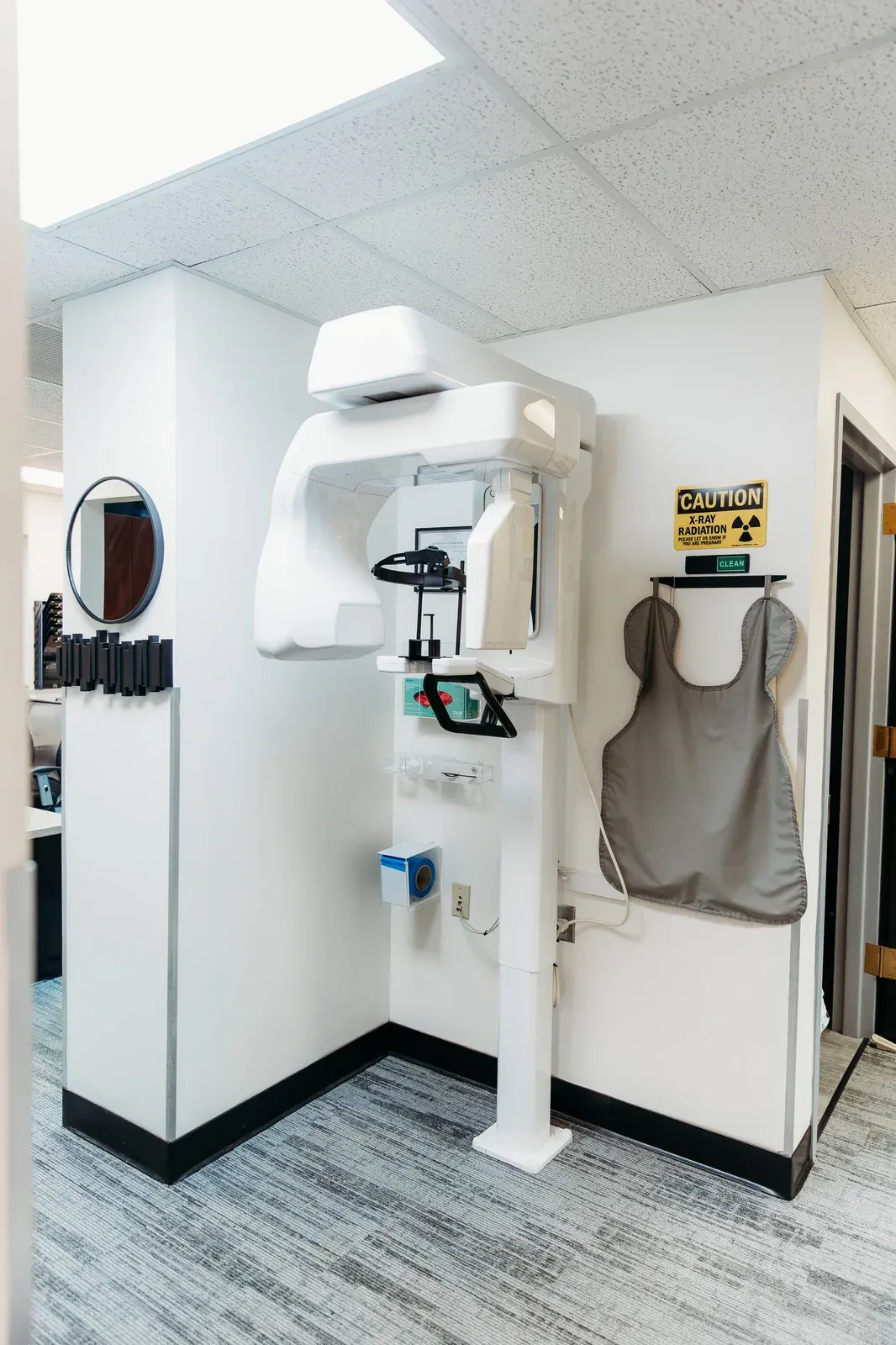
Both of our surgeons hold dental and medical degrees and plan your treatment with 3D imaging, right here in our Topeka office.


Patient questions
Questions patients
ask most.
A consultation is still the best way to get answers specific to your health and goals.
What anesthesia options are available?
Local anesthetic, nitrous oxide with local anesthetic, and office-based IV sedation or general anesthesia.
Who decides which option I get?
You and your surgeon choose together, based on the procedure, your health, and your comfort level.
Is IV sedation safe?
Our oral surgeons are trained to provide anesthesia in the office and monitor you throughout.
Do I need someone to drive me home?
Yes, after IV sedation or general anesthesia you will need a responsible adult to drive you home.
Comfortable oral surgery
Talk through anesthesia
before treatment.
We will explain your anesthesia options, answer questions, and help choose the level of care that fits your procedure and comfort.