
Procedures
Sinus lift.
A sinus lift adds bone to the upper back jaw when the maxillary sinus sits too close to the area where a dental implant needs support.

Upper jaw bone grafting
Sinus position can limit implant-ready bone
in the upper back jaw.
The maxillary sinuses sit above the upper back teeth. When upper molars or premolars are removed, the sinus may expand downward while the supporting jawbone shrinks.
This can leave too little bone height for a dental implant. A sinus lift, also called sinus augmentation, creates space for graft material beneath the sinus membrane.
After healing, the grafted area can provide more stable support for implant placement and long-term restoration.
How it works
The sinus membrane is lifted so new bone
can form beneath it.
The exact approach depends on your anatomy, the amount of bone present, and whether implant placement is planned at the same visit or after the graft has healed.
Evaluate bone height
Imaging shows how much bone remains between the upper jaw and the maxillary sinus where a future implant may be placed.
Access the sinus area
The surgeon creates a small opening in the upper jaw near the missing molar or premolar site to reach the sinus membrane safely.
Lift the membrane
The sinus membrane is gently elevated to create space between the sinus floor and the jawbone.
Place bone graft material
Bone graft material is added into that space so the area can heal with more height and support for future implant placement.
Bone grafting
Bone grafting
and jaw health.
-
Bone grafting
Rebuilding jawbone where it has thinned.
→ -
About bone grafting
The graft materials we use.
→ -
Socket preservation
Protecting bone when a tooth is removed.
→ -
Ridge augmentation
Restoring the jaw ridge after an extraction.
→ -
Bone grafting for implants
Rebuilding bone for a solid base.
→ -
Jaw bone health
Keeping the jaw strong over time.
→
Why it helps
Added bone height
can make implant treatment possible.
A sinus lift helps restore the vertical bone support needed in the upper back jaw, where natural bone is often limited after long-term tooth loss.
- Adds bone height in the upper back jaw
- Improves implant placement options
- Restores support after long-term molar loss
- Helps create a stronger implant foundation
Healing timeline
The graft needs time to become a stronger foundation.
Depending on the amount of bone needed, the graft may heal before an implant is placed, or the implant may be placed at the same appointment when anatomy allows.
Careful planning
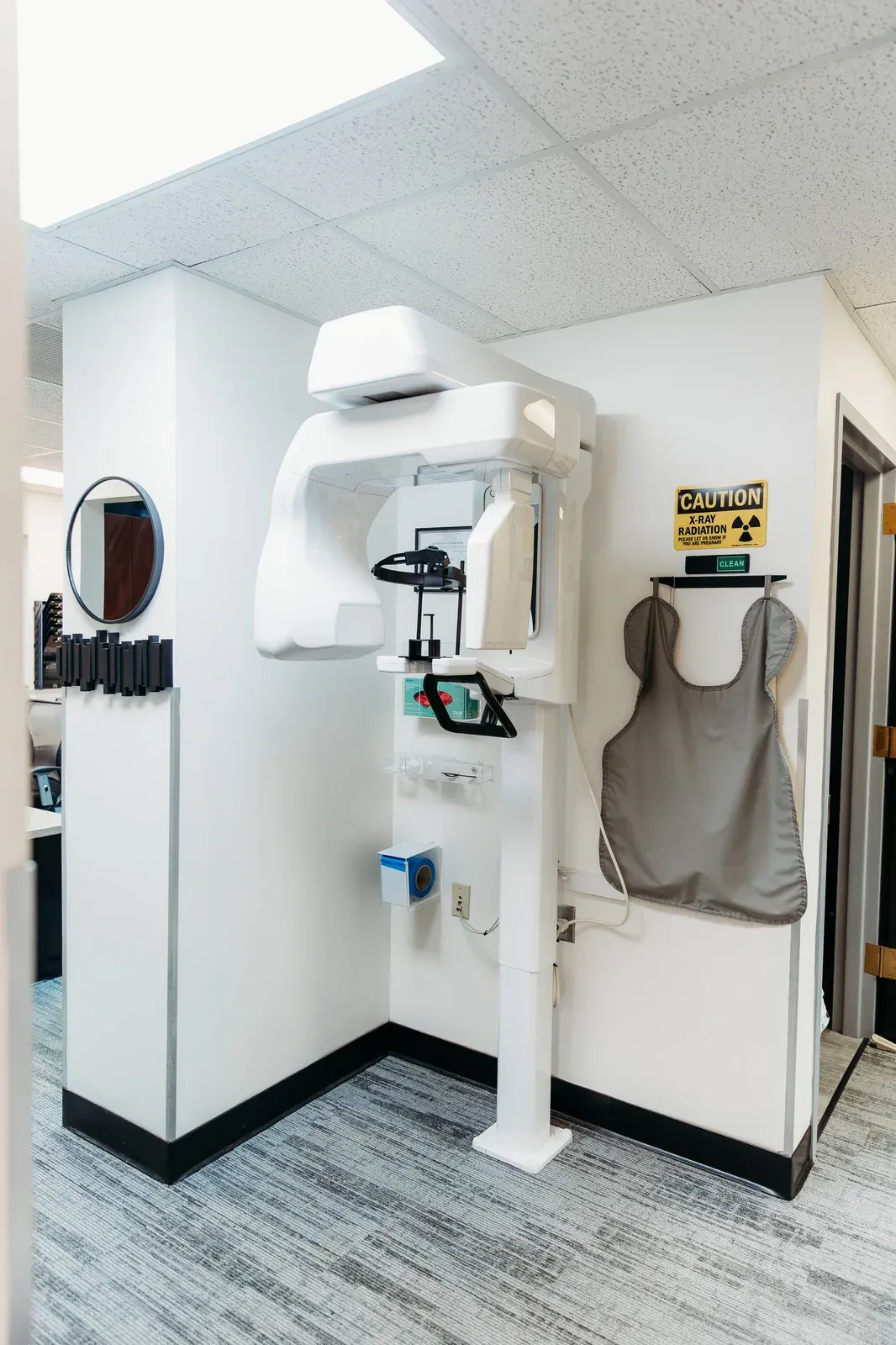
Imaging helps protect the sinus and guide graft placement.
Detailed planning allows the surgeon to evaluate sinus anatomy, bone height, and the safest way to rebuild support for your restoration.
Your surgical team
Two surgeons,
one team.
Both of our surgeons hold dental and medical degrees and plan your treatment with 3D imaging, right here in our Topeka office.


Patient questions
Questions patients
ask most.
A consultation is still the best way to get answers specific to your health and goals.
What is a sinus lift?
A procedure that adds bone in the upper back jaw by gently lifting the sinus membrane and placing graft material below it.
Why would I need one?
The bone under the sinus is often too thin to hold an implant, especially after a tooth has been missing for some time.
Does a sinus lift hurt?
It is done with local anesthetic and sedation is available. Most patients have mild swelling and soreness for a few days.
When can the implant be placed?
Sometimes at the same visit, otherwise after several months of healing.
Rebuild upper jaw support
Find out whether a sinus lift
is needed.
We will review your imaging and explain whether sinus augmentation belongs in your implant treatment plan.