
Wisdom teeth
After wisdom tooth extraction.
Recovery is smoother when you know what to expect. These instructions cover bleeding, swelling, activity, dry socket, infection, sinus precautions, and when to call our office.

Post-operative care
The first few days are about comfort,
clot protection, and rest.
Wisdom tooth removal may be performed with local anesthesia, nitrous oxide, or general anesthesia. These options and surgical risks are reviewed before treatment.
After surgery, you will rest under supervision until you are ready to go home. Your post-operative kit may include instructions, medication, antibiotics, and a follow-up appointment.
Follow the written instructions closely, especially during the first few days. This helps protect the healing blood clot and keeps recovery as comfortable as possible.

What you may feel
Bleeding, soreness, swelling, and stiffness
can be normal early on.
Every patient reacts differently. The goal is to control swelling, protect the clot, rest, and let your body begin healing before returning to a demanding schedule.
Bleeding and gauze
After teeth are removed, the gums are sutured and gauze is placed to help control bleeding. Bite down gently as directed, and expect minor bleeding during the first day.
Pain and swelling
Pain can range from mild discomfort to stronger soreness. Swelling usually peaks on the second day and should begin improving on the third day.
Ice and heat
Use ice through the first day to limit swelling. Moist heat on days two and three can help relax stiff jaw muscles and improve opening.
Rest and activity
Plan to rest for a few days before returning to a busy social, academic, or athletic schedule. Most patients feel over the hump in three to five days.

Possible concerns
Know which changes
deserve a call.
As with any surgery, unexpected healing events can happen. Contact the office if pain worsens, swelling does not improve, numbness or tingling persists, or you suspect infection or dry socket.
- Dry socket
- Infection
- Sinus communication
- Temporary numbness or tingling
- Jaw stiffness
- Facial bruising or oozing
Dry socket
Deep aching pain can start several days later.
Dry socket occurs when the blood clot is lost too early. It is more common in the lower jaw and may cause deep, dull pain that radiates toward the ear or chin. Treatment may include medicated dressing.
Sinus and nerve awareness
Some rare risks need special instructions.
Upper wisdom teeth sit near the sinuses, and lower wisdom teeth can be near sensory nerves. If you notice sinus pressure changes, numbness, or tingling after surgery, call the office for guidance.
Your surgical team
Two surgeons,
one team.
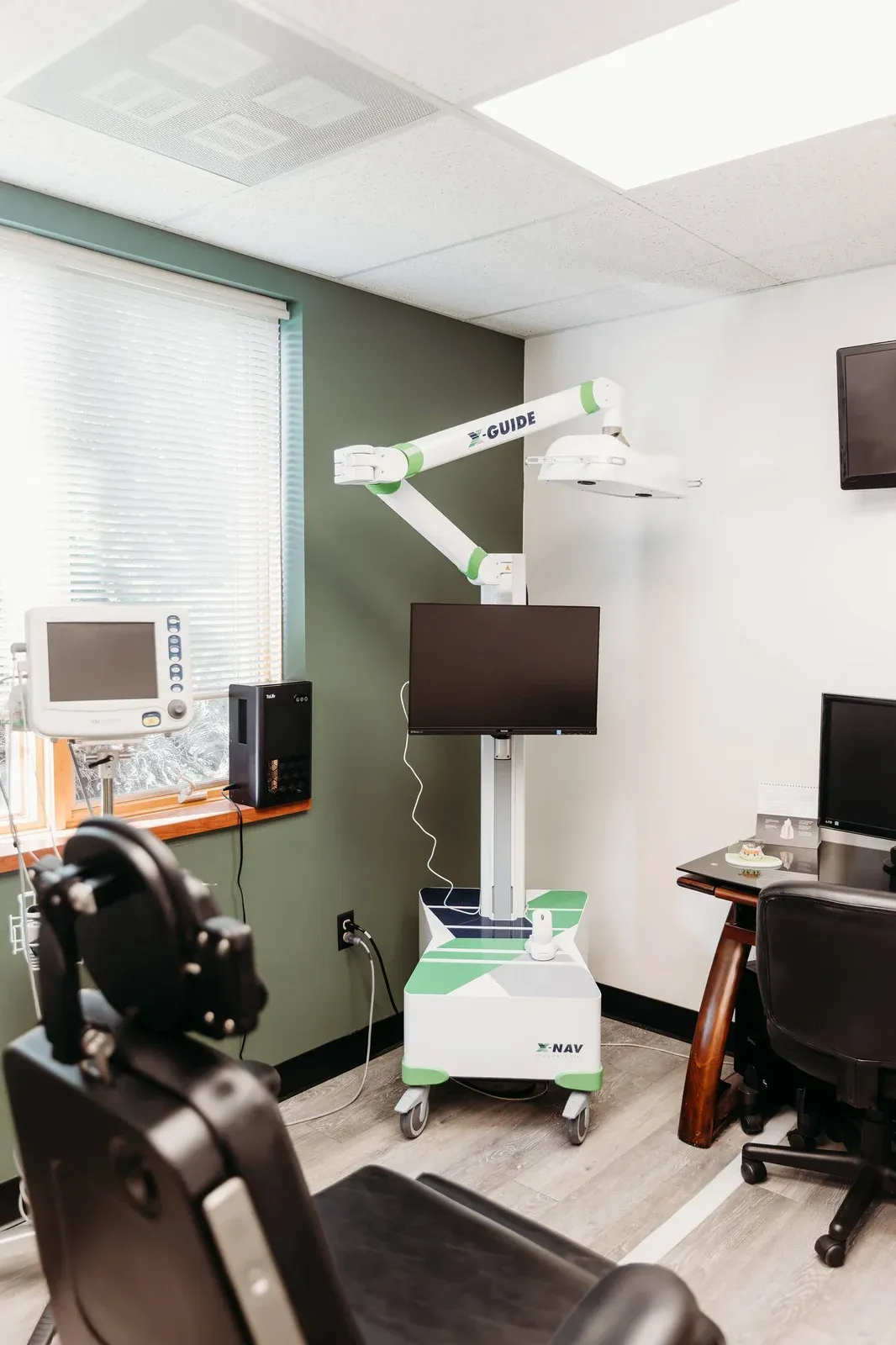
Both of our surgeons hold dental and medical degrees and plan your treatment with 3D imaging, right here in our Topeka office.



Patient questions
Questions patients
ask most.
A consultation is still the best way to get answers specific to your health and goals.
How long will I bleed?
Light oozing for the first day is normal. Bite gently on gauze and replace it as needed.
When can I eat normally?
Start with soft, cool foods and add more as you feel comfortable, usually over several days.
When does swelling go down?
Swelling usually peaks in two to three days, then improves. Ice helps early on and warm compresses later.
When should I call the office?
Call if bleeding will not slow, pain gets worse after a few days, or you have a fever. We are here to help.
We are here to help
Call
with recovery questions.
If you are unsure whether what you are feeling is normal, our team is here to help you through recovery.