
Procedures
Socket preservation.
Socket preservation is a bone grafting procedure performed after tooth extraction to help maintain the shape of the jaw and protect future tooth replacement options.

Preserving bone after extraction
The best time to protect the socket
is often when the tooth is removed.
When a tooth is extracted, the empty socket can begin to shrink as the body remodels the bone. This may reduce the height and width available for a future dental implant.
Socket preservation places grafting material into the extraction site to help the area heal with more stable bone volume and contour.
Preserving the socket does not guarantee that no future grafting will be needed, but it can make implant planning more predictable and may simplify treatment later.

How it works
The graft supports the socket
while your body heals.
The details depend on the tooth location, the condition of the socket walls, and whether implant placement is planned soon or after additional healing.
Remove the tooth carefully
The tooth is removed while protecting as much surrounding socket bone and gum tissue as possible.
Place graft material
Bone graft material is placed into the empty socket to support the area where the tooth root used to be.
Protect the graft
The grafted site may be covered with a membrane or secured with sutures to help stabilize the area as healing begins.
Plan the restoration
After healing, the preserved socket can be evaluated for implant placement or another tooth replacement option.
Bone grafting
Bone grafting
and jaw health.
-
Bone grafting
Rebuilding jawbone where it has thinned.
→ -
About bone grafting
The graft materials we use.
→ -
Ridge augmentation
Restoring the jaw ridge after an extraction.
→ -
Sinus lift
Adding bone in the upper back jaw.
→ -
Bone grafting for implants
Rebuilding bone for a solid base.
→ -
Jaw bone health
Keeping the jaw strong over time.
→
Why it helps
Preserving the socket
can protect future replacement options.
Maintaining ridge shape after extraction helps the surgeon plan a more stable, natural-feeling tooth replacement when the time is right.
- Helps maintain socket width and height
- Reduces ridge collapse after extraction
- Supports future dental implant planning
- Can reduce the need for later grafting

Implant planning
A preserved socket may be easier to restore.
Dental implants need enough healthy bone for support. Socket preservation helps maintain the bone volume needed to evaluate implant placement after healing.
Healing expectations
The graft becomes part of a longer treatment plan.
After socket preservation, the area needs time to heal before the next restorative step. Your surgeon will explain the expected timeline based on your anatomy and goals.
Your surgical team
Two surgeons,
one team.
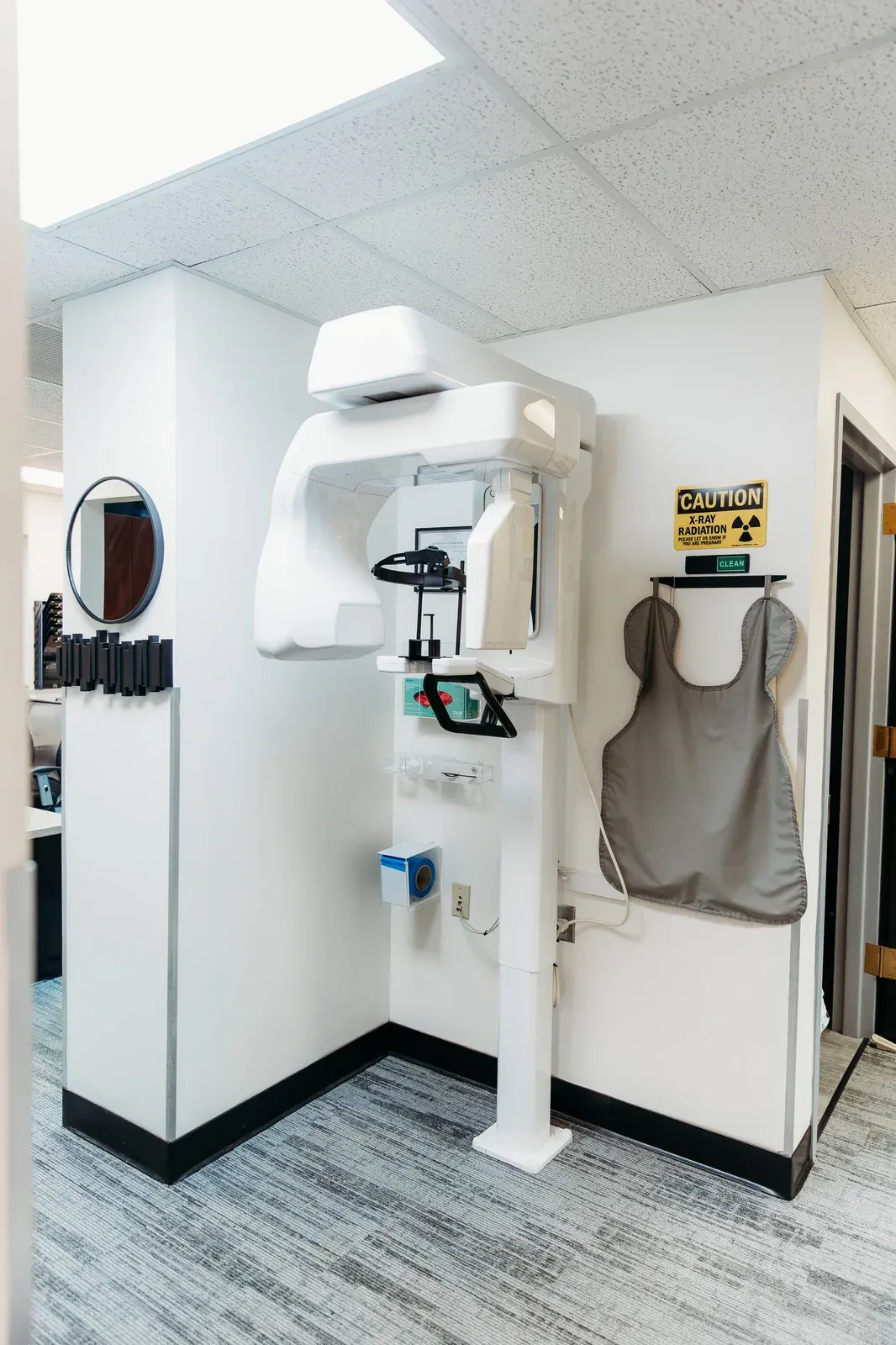
Both of our surgeons hold dental and medical degrees and plan your treatment with 3D imaging, right here in our Topeka office.


Patient questions
Questions patients
ask most.
A consultation is still the best way to get answers specific to your health and goals.
What is socket preservation?
Placing graft material in the socket right after a tooth is removed, so the bone keeps its shape.
Why is it done?
Without it, the socket can lose bone as it heals, which makes a future implant harder.
Does it add time to my extraction?
Only a few minutes, and it is done at the same visit.
When can I get an implant?
Usually after several months, once the graft has healed.
Preserve the foundation
Ask about grafting
before extraction.
We can evaluate the tooth, review your future replacement options, and explain whether socket preservation should be part of your plan.