
Procedures
Oral pathology.
Changes in the lining of the mouth can be warning signs of infection, inflammation, benign growths, or oral cancer. Early evaluation helps clarify what is happening and what treatment may be needed.

Tissue changes
Healthy mouth tissue
is usually smooth and coral pink.
The inside of the mouth is lined with mucosa, a special type of skin that is normally smooth and coral pink. Any change in color, texture, thickness, or healing pattern can signal a pathological process.
The most serious concern is oral cancer, but not every change is cancerous. An exam and, when appropriate, a biopsy can help identify the cause and guide treatment.
Pain does not always occur with oral pathology. Suspicious lumps, sores, or tissue changes should be evaluated even if they are not painful.
Warning signs
Early evaluation matters
when something looks or feels different.
These changes may appear on the lips, cheeks, palate, gum tissue around the teeth, tongue, face, or neck.
Red or white patches
Reddish patches, called erythroplasia, or whitish patches, called leukoplakia, can be early warning signs inside the mouth.
A sore that does not heal
A sore that fails to heal, bleeds easily, or continues to return should be evaluated rather than watched indefinitely.
Lumps or thickened tissue
A lump, thickening, or abnormal texture in the lining of the mouth, face, or neck may need closer examination.
Throat or swallowing changes
Chronic sore throat, hoarseness, or difficulty chewing or swallowing can also be related to an oral pathology concern.
Oral surgery
Other procedures
we perform.
-
Tooth extractions
Gentle removal when a tooth cannot be saved.
→ -
Wisdom teeth removal
When and why to remove them.
→ -
Pre-prosthetic surgery
Preparing the mouth for dentures.
→ -
TMJ treatment
Help for jaw pain, clicking and locking.
→ -
Replacing missing teeth
Compare every way to replace a tooth.
→ -
Bone grafting
Rebuilding jawbone where it has thinned.
→
Monthly self-exam
A regular self-check can
help you notice changes sooner.
We recommend checking your mouth once a month for new patches, sores, lumps, thickened tissue, or changes that do not heal normally.
- Lips
- Cheeks
- Palate
- Gum tissue
- Tongue
- Face and neck
Oral biopsy
A biopsy can identify abnormal tissue.
Oral biopsies are performed for lesions, lumps, or other abnormal tissue to help determine what the tissue is and which treatment is appropriate.
Unexplained pain
Pain without an obvious cause deserves attention.
Oral cancer is not always painful, but unexplained facial or oral pain can still be a reason to schedule an evaluation.
Your surgical team
Two surgeons,
one team.
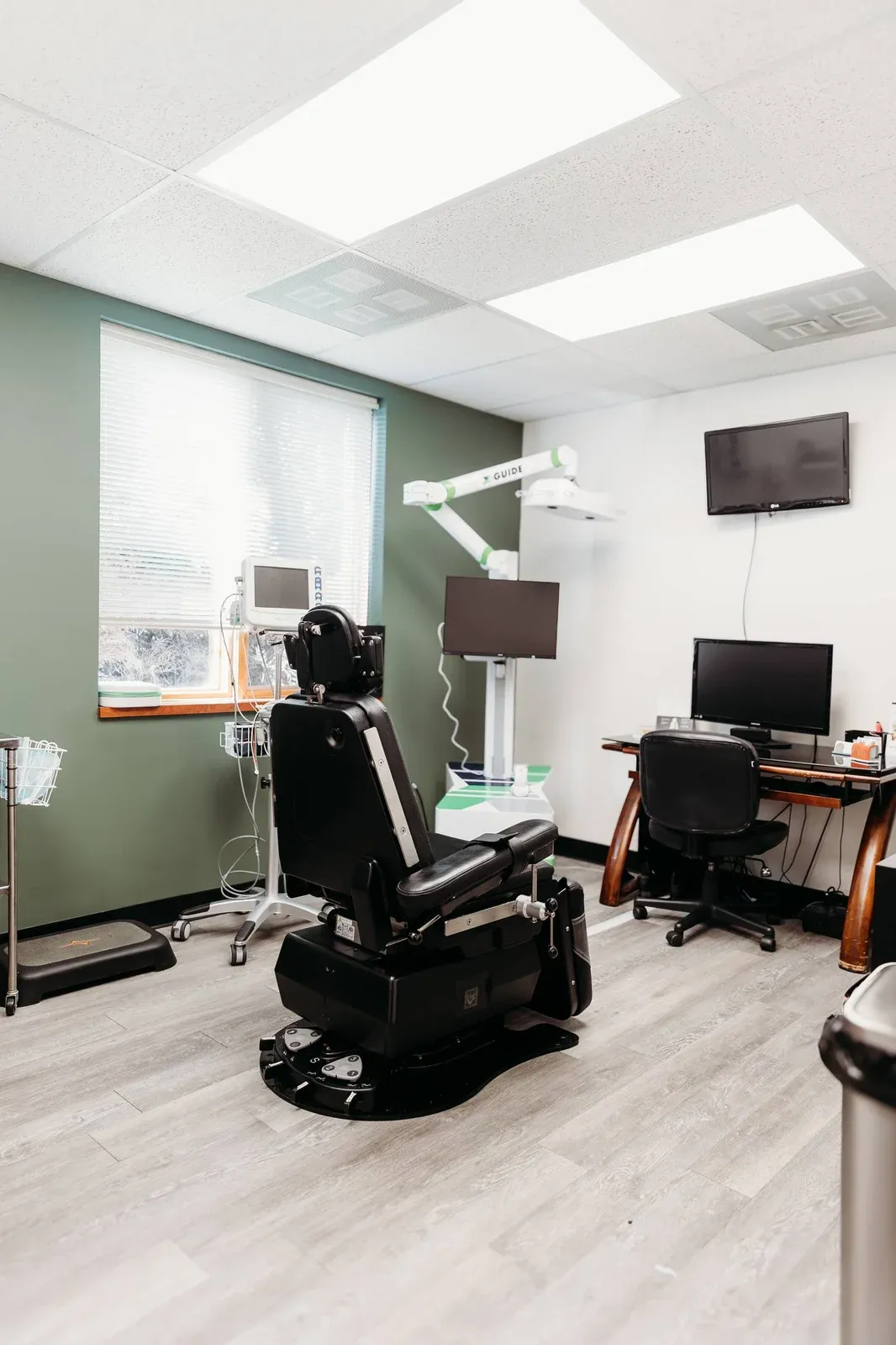
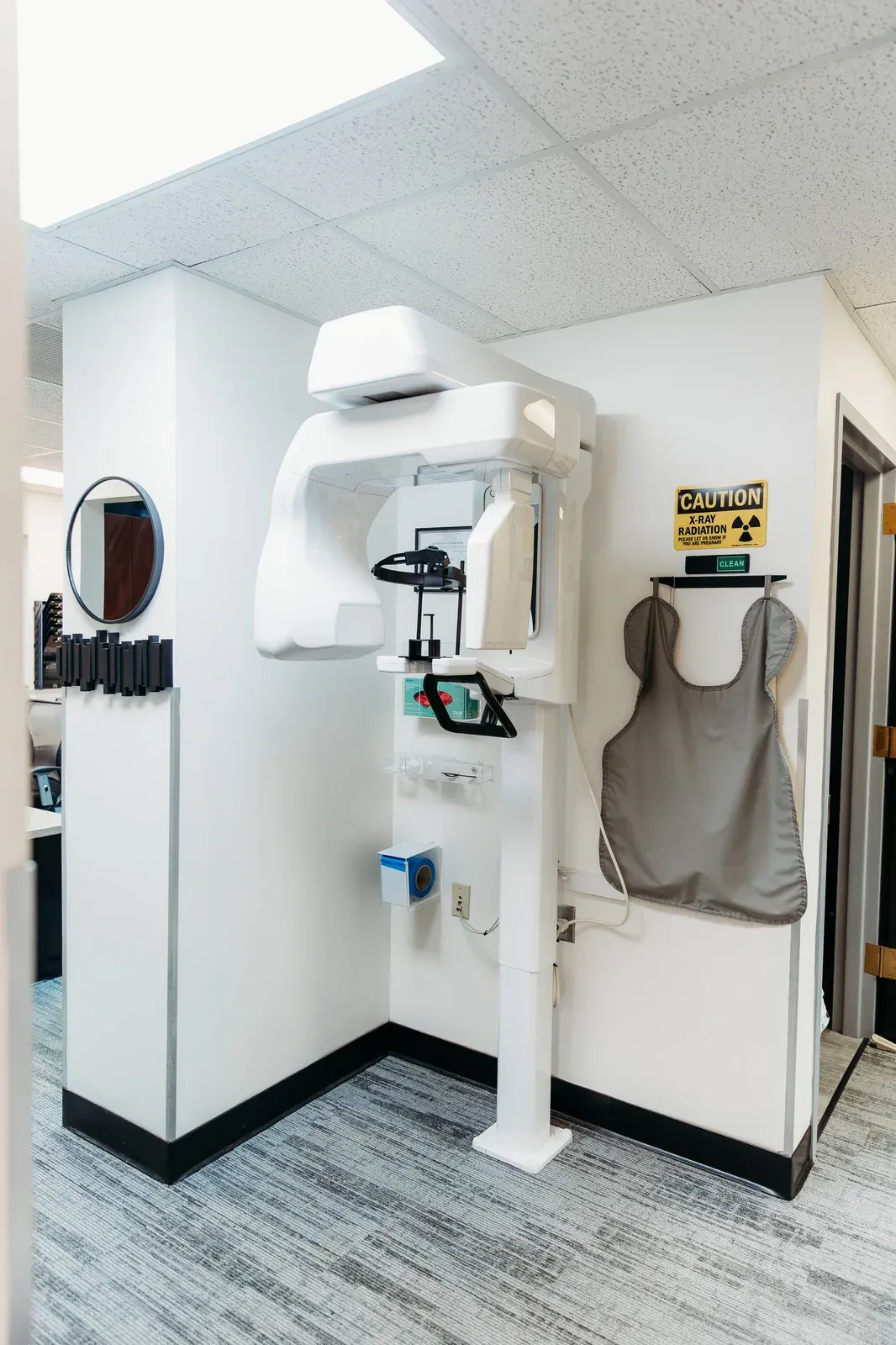
Both of our surgeons hold dental and medical degrees and plan your treatment with 3D imaging, right here in our Topeka office.


Patient questions
Questions patients
ask most.
A consultation is still the best way to get answers specific to your health and goals.
What should I look out for?
Red or white patches, a sore that does not heal within two weeks, lumps or thickened tissue, and trouble swallowing.
Does a mouth sore mean cancer?
Most do not. Any sore or patch that lasts more than two weeks should still be checked.
What happens at the appointment?
Your surgeon examines the area and may recommend a biopsy to get a clear diagnosis.
Is a biopsy painful?
The area is numbed first. Most patients feel only mild soreness afterward.
Questions or concerns
Let us evaluate
suspicious tissue changes.
If you notice a sore, lump, patch, or unexplained pain, our team can examine the area and explain the next step.